
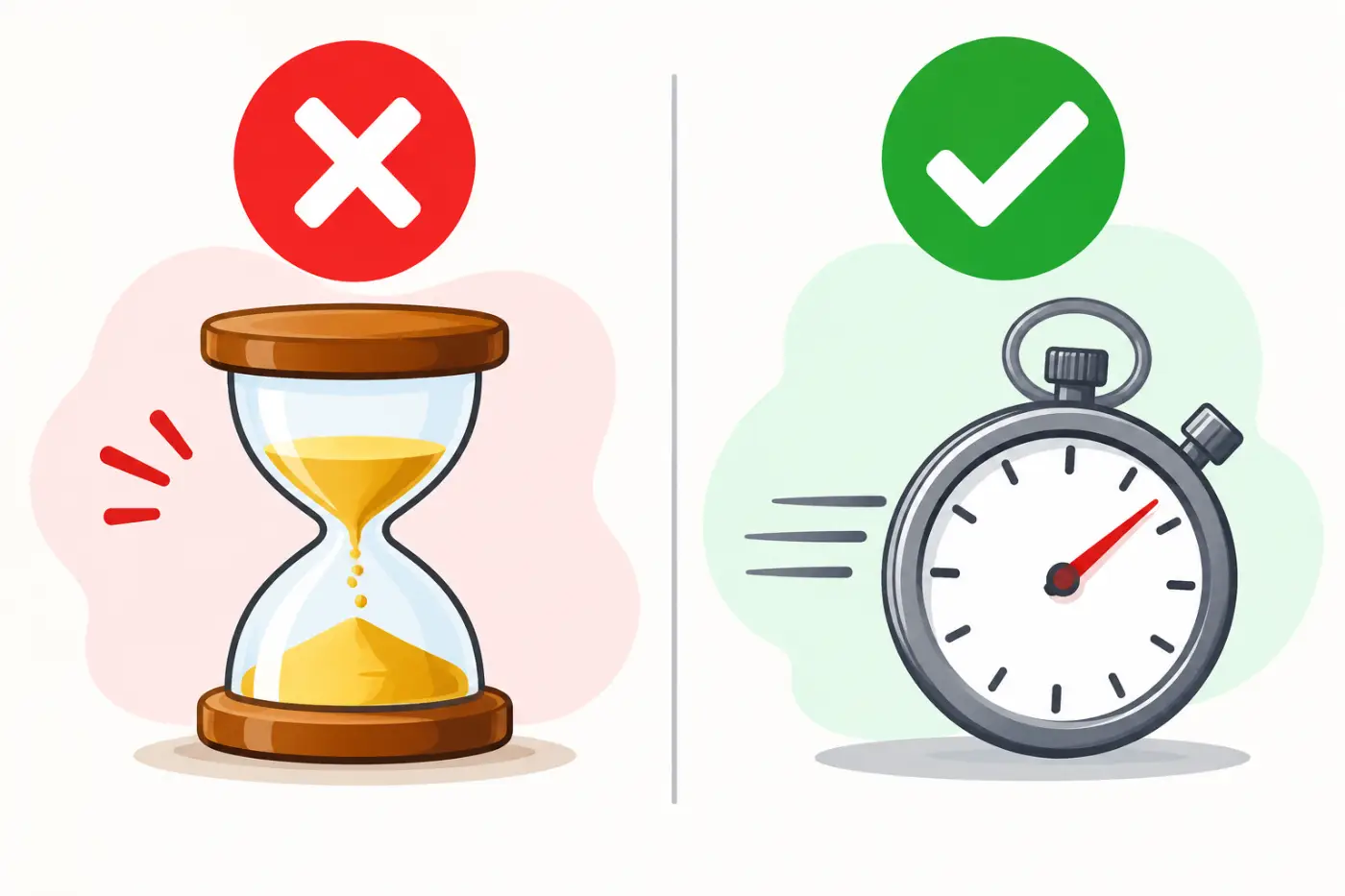
Have you ever stopped while writing because you weren’t sure how to spell a simple word? The spelling momment or moment can cause that kind of confusion. Both forms look similar, but only one is correct in standard English.
The correct spelling is moment. It has one M in the middle, not two. The word refers to a short period of time or a particular point in time. For example, you might say, I need a moment to think.
The confusion often comes from the way people pronounce the word. When we say moment, the sound can make the middle letters seem longer than they are. This may lead some writers to add an extra M by mistake.
If you’ve ever typed the wrong version in a text message, email, school assignment, or social media post, don’t worry. It’s a common spelling mistake and an easy one to fix.
In this guide, you’ll learn the correct spelling, its meaning, how to use it in everyday sentences, and why people sometimes misspell it. You’ll also find helpful examples, memory tricks, related expressions, and answers to common questions.
Quick Definition
Moment is the correct spelling. It means a short period of time or a specific point in time. People use it to talk about brief events, important experiences, or particular times in their lives.
Momment is an incorrect spelling in standard English. It doesn’t have a recognized meaning and shouldn’t appear in formal or everyday writing.
Direct Answer
The correct spelling is moment, with one M in the middle. The spelling momment is incorrect because it adds an unnecessary extra M.
Momment vs Moment Comparison Table
| Word | Meaning | Example Sentence | When to Use It |
|---|---|---|---|
| Moment | A short period or point in time. | Give me a moment to finish this call. | Use it in everyday, academic, and professional writing. |
| Momment | No standard English meaning. | This spelling is incorrect. | Avoid using it in standard English. |
Remember that the correct form has six letters: M, O, M, E, N, and T. The incorrect form has seven letters because it repeats the middle M.

Why Moment Is the Correct Spelling
English spelling can be tricky because the way a word sounds doesn’t always show how to write it. Some words contain double consonants, while others use a single consonant even when the sound seems strong.
Moment belongs to the second group. It uses one M at the beginning and another M after the O. However, it doesn’t need a third M.
The correct spelling has a simple structure:
- M comes first.
- O comes second.
- M comes third.
- E comes fourth.
- N comes fifth.
- T comes last.
This gives us the spelling moment.
The Word Comes From Latin
The history of a word can sometimes help explain its spelling. Moment comes through Old French from the Latin word momentum.
The Latin word referred to movement, influence, or a brief period of time. Over time, English adopted the word and developed the modern spelling we use today.
Although the word has changed in form and use over the centuries, its English spelling has remained moment.
This history also helps explain why the word has several related meanings. We use it to describe a short period, a particular point in time, or an event that has a strong effect on someone.
For example:
- The moment passed before I could react.
- That was a defining moment in her career.
- Give me a moment to check the details.
- We enjoyed every moment of our vacation.
Each sentence uses the same spelling, even though the meaning changes slightly with the context.
Why the Extra M Is Incorrect
The incorrect spelling adds an extra consonant that doesn’t belong in the word.
Some English words do use double M. For example, common, summer, hammer, and grammar all contain two consecutive Ms.
However, that doesn’t mean every word with an M sound needs a double letter.
Moment already contains two Ms, but they aren’t next to each other. An O and an E separate them.
This is the key difference. The word begins with M and contains another M after O. It doesn’t contain two Ms together.
Adding another M changes the spelling without adding any meaning or changing the pronunciation in standard English.
Is the Spelling Different in American and British English
No. Both American and British English use the spelling moment.
Some English words have different spellings depending on the region. For example, American English uses color, while British English commonly uses colour. Similarly, American English uses traveled, while British English often uses travelled.
Moment doesn’t follow this pattern. Its spelling stays the same in both varieties.
You can safely use moment in:
- American English.
- British English.
- Canadian English.
- Australian English.
- Academic writing.
- Business communication.
- Everyday conversations.
There is no regional spelling variation that makes the extra M correct.
What Does Moment Mean
The word moment is a noun. A noun is a word that names a person, place, thing, or idea. In this case, moment describes a period of time or a particular point in time.
People use it in many situations. You might use it when asking someone to wait, describing a special memory, or talking about an event that changed your life.
The meaning often depends on the sentence. However, the basic idea stays the same. A moment refers to a specific time or a short stretch of time.
Moment as a Short Period of Time
One of the most common meanings of moment is a brief period. It often describes a short wait or a little time needed to do something.
For example, imagine you’re talking to a friend on the phone. Someone knocks at your door, so you ask your friend to wait. You might say, Give me a moment.
You aren’t asking for an exact number of seconds. You’re simply asking for a little time.
Here are more examples:
- Please wait a moment while I find your order.
- I’ll be ready in a moment.
- She took a moment to collect her thoughts.
- We stopped for a moment to enjoy the view.
- He paused for a moment before answering.
- Can you give me a moment to finish this task?
- The baby slept for a moment before waking up again.
- I need a moment to understand what just happened.
In each example, the word describes a short amount of time. It doesn’t give an exact measurement.
A moment can last a few seconds or longer. The speaker usually uses it to describe a brief pause rather than a fixed length of time.
Moment as a Particular Point in Time
The word can also refer to one specific point in time. This use often appears when people describe events, memories, or important experiences.
For instance, consider the sentence, The moment I saw the ocean, I felt calm.
Here, moment refers to the exact point when the person saw the ocean. It doesn’t describe a long period.
Look at these additional examples:
- I knew the answer the moment she asked the question.
- The room became quiet the moment he entered.
- She smiled the moment she heard the news.
- We started laughing the moment the movie began.
- The lights went out the moment the storm arrived.
- He recognized his old friend the moment they met.
- I fell in love with the city the moment I arrived.
- The dog started barking the moment someone opened the gate.
Notice how moment connects one event to another. It tells readers exactly when something happened.
This use is common in both spoken and written English. It helps make sentences clear because readers can understand the timing of an action.
Moment as an Important Experience
Sometimes, a moment is more than a short period of time. It can describe an experience that holds special meaning.
Think about a wedding, a graduation, the birth of a child, or the day someone reaches an important goal. These events may last for hours, but people often remember them as special moments.
For example:
- Winning the championship was the proudest moment of his life.
- Her graduation was a moment she will always remember.
- Meeting my favorite author was an unforgettable moment.
- The birth of their daughter was a beautiful moment.
- It was a proud moment for the entire family.
- Their first dance became a special moment at the wedding.
- Receiving the award was a highlight of her career.
- That moment changed the way I looked at life.
In these sentences, moment refers to an experience rather than a short measurement of time.
This meaning appears often in personal stories, news reports, speeches, books, and social media posts.
You may also hear people use expressions such as defining moment, special moment, proud moment, and unforgettable moment. Each phrase describes an experience that stands out for a particular reason.
Moment as an Opportunity
Moment can also describe a suitable time to do something.
For example, someone might say, This is the perfect moment to start a new business.
The speaker isn’t talking about a few seconds. Instead, the sentence suggests that the current time is right for taking action.
Here are some natural examples:
- This is the right moment to ask for help.
- She waited for the perfect moment to share her news.
- Now is the moment to make a change.
- He knew it was his moment to speak.
- The team used the moment to show what they could do.
- It wasn’t the right moment to discuss the problem.
This meaning is common in motivational writing and everyday conversations. It often suggests that an opportunity has appeared and someone should take advantage of it.
Why People Write Momment Instead of Moment
Now that you know the correct spelling, you may wonder why so many people add an extra M.
There are several reasons. Most mistakes happen because of pronunciation habits, spelling patterns, typing errors, or confusion with other English words.
Understanding these reasons can help you avoid the same mistake.
The Pronunciation Can Cause Confusion
People often spell words based on how they hear them. This works for some English words, but it doesn’t always work for others.
When you say moment aloud, the two M sounds can make the middle of the word seem stronger. Some writers may think the spelling needs two consecutive Ms to match that sound.
However, English spelling doesn’t always follow pronunciation in a simple way.
The word moment has two M sounds in different positions. The letters aren’t doubled in the middle.
Compare these words:
| Word | Correct Spelling | Letter Pattern |
|---|---|---|
| Moment | Moment | One M at the start and one after O. |
| Common | Common | Two consecutive Ms in the middle. |
| Summer | Summer | Two consecutive Ms in the middle. |
| Hammer | Hammer | Two consecutive Ms in the middle. |
| Grammar | Grammar | Two consecutive Ms in the middle. |
These examples show why it’s useful to learn the spelling of each word rather than guess based on its sound.
People Confuse It With Words That Use Double Letters
English contains many words with double consonants. Students often learn spelling rules that explain when to repeat a letter.
For example, adding a suffix can sometimes cause a final consonant to double.
Consider these examples:
- Run becomes running.
- Sit becomes sitting.
- Plan becomes planning.
- Swim becomes swimming.
- Stop becomes stopping.
In these cases, the final consonant doubles before the suffix is added.
However, moment doesn’t follow this pattern. It doesn’t need an extra M in its standard form.
The spelling stays the same when you use it in a sentence. You don’t add another M to make the word look longer or sound stronger.
Fast Typing Can Create Spelling Errors
Another common reason is simple typing mistakes.
When people type quickly, they sometimes press the same key twice. This can happen when writing emails, text messages, social media comments, or school assignments.
For example, someone may intend to type moment but accidentally type momment.
A quick review can catch this mistake before the message goes out.
Here are a few simple ways to reduce typing errors:
- Read your writing once before sending it.
- Use a spell checker when writing longer documents.
- Slow down when typing words that often confuse you.
- Pay attention to repeated letters.
- Read important sentences aloud to catch mistakes.
- Keep a personal list of words you often misspell.
Spell checkers can help, but they aren’t perfect. They may miss some errors or fail to understand the meaning of a sentence. A quick human review still matters.
Visual Memory Can Reinforce the Wrong Spelling
Sometimes, people see a misspelled word so often that it starts to look normal.
This can happen when you read social media comments, online discussions, or informal messages. If you repeatedly see the incorrect form, your brain may begin to accept it.
That’s one reason spelling practice matters.
The best approach is to focus on the correct letter pattern. Look at the word moment several times. Notice the O between the two Ms and the E that follows the second M.
Once you become familiar with the correct form, the extra M should stand out as an error.
How to Use Moment in Everyday Sentences
The word moment appears in many common expressions. You can use it in casual conversations, professional messages, personal writing, and academic work.
Learning these examples will help you understand how the word works in different situations.
Asking Someone to Wait
People often use moment when they need a little time before doing something.
It sounds polite and natural. You can use it at home, at work, on the phone, or in a store.
Examples include:
- Give me a moment to finish my breakfast.
- Please wait a moment while I check your information.
- I’ll be with you in a moment.
- Just a moment. I need to find my keys.
- Could you give me a moment to think?
- Hold on for a moment. I’ll call you back.
- Wait a moment before you cross the street.
- I’ll need a moment to prepare the documents.
You may also hear people say just a moment. This expression is a polite way to ask someone to wait briefly.
For example, a customer service worker might say, Just a moment while I check your account.
The expression sounds friendly and professional. It works well in everyday conversations.
Talking About Memories
Moment is also useful when describing memories that matter to you.
These sentences often appear in personal stories, birthday messages, wedding speeches, and family posts.
Examples include:
- I’ll never forget the moment we first met.
- That was one of the happiest moments of my childhood.
- The moment we brought our puppy home was unforgettable.
- She captured a beautiful moment with her camera.
- I still remember that special moment with my grandparents.
- Their wedding day was full of wonderful moments.
- The family shared a quiet moment after dinner.
- It was a moment of pure happiness.
Notice that the plural form moments is also common. You use moments when talking about more than one experience or point in time.
For example, We shared many happy moments during our vacation.
The word still follows the same spelling pattern. You simply add S to make it plural.
Describing Important Life Events
Some experiences can change the way people think, feel, or act. The word moment can help describe these events.
Examples include:
- Getting my first job was a proud moment.
- Moving to another country was a big moment in her life.
- His first performance was a nervous moment.
- Winning the race was the best moment of the season.
- Becoming a parent was a life changing moment.
- Receiving the scholarship was a turning point in his life.
- That was a difficult moment for everyone involved.
- The announcement created an emotional moment for the family.
These sentences show how the word adds emotion to a description.
You can use it to talk about happiness, sadness, fear, excitement, pride, or surprise.
Using Moment in Professional Writing
The word also works well in workplace communication.
It’s simple and clear. You don’t need complicated language to use it correctly.
Consider these examples:
- Please give me a moment to review the report.
- We need a moment to discuss the proposed changes.
- This is an important moment for our company.
- The team took a moment to recognize everyone’s efforts.
- I appreciate your patience while I look into the issue.
- She used the moment to thank her colleagues.
- Let’s take a moment to review the main points.
- The announcement marked a major moment in the company’s history.
In professional writing, moment can make a request sound polite and natural.
Still, consider the context. If you need someone to wait for a specific length of time, give them a clear estimate.
For example, I need two minutes to review the report is more helpful than I need a moment to review the report.
The word moment is useful when you don’t need to give an exact time.
Common Expressions That Use Moment
English speakers use moment in many fixed expressions. These phrases make conversations sound natural and help people express ideas without using long explanations.
Here are some common expressions you should know.
Just a Moment
Just a moment is a polite way to ask someone to wait for a short time.
Examples:
- Just a moment. I’ll be right back.
- Just a moment while I open the door.
- Please give me just a moment to finish this email.
- Just a moment. I need to check something.
You can use this expression in casual and professional situations. It works especially well when you need someone to wait without sounding rude.
At the Moment
At the moment means right now or at the present time.
People often use it when talking about something happening now or a temporary situation.
Examples:
- I’m busy at the moment.
- She isn’t available at the moment.
- We don’t have any seats available at the moment.
- He’s working on a new project at the moment.
- I can’t talk at the moment because I’m driving.
- The store is closed at the moment.
You can use this phrase in everyday conversations and professional messages.
For example, if someone asks for your help while you’re busy, you can say, I’m working on something at the moment. I’ll help you soon.
In a Moment
In a moment means very soon or after a short wait.
Examples:
- The meeting will begin in a moment.
- I’ll bring your order in a moment.
- She’ll be here in a moment.
- The teacher will return in a moment.
- We’ll start the presentation in a moment.
This expression usually points to something that will happen shortly.
For a Moment
For a moment describes something that happens or continues for a short period.
Examples:
- I closed my eyes for a moment.
- She stopped talking for a moment.
- He looked confused for a moment.
- We stood outside for a moment.
- I thought about the question for a moment.
The phrase focuses on the length of time something lasts.
Every Moment
Every moment means all the time or each part of a particular period.
Examples:
- I enjoyed every moment of the trip.
- She wanted to spend every moment with her family.
- We should appreciate every moment we have.
- He remembered every moment of the game.
- They made every moment count.
This expression often appears in emotional or personal writing.
The Moment
The moment can refer to a specific time when something happens.
It can also introduce a sentence that describes an action that happens immediately after another action.
Examples:
- The moment I arrived, everyone started clapping.
- I knew something was wrong the moment I saw her face.
- The moment the bell rang, the students left the classroom.
- He called me the moment he received the news.
This expression helps readers understand the timing of events.
Singular and Plural Forms of Moment
The word moment is a singular noun. Its plural form is moments.
You use moment when talking about one point or period of time. You use moments when talking about more than one.
The spelling is simple. Add S to the end of moment to make moments.
| Form | Example |
|---|---|
| Singular | I need a moment to think. |
| Plural | We shared many happy moments. |
| Singular | That was a special moment. |
| Plural | Those were special moments. |
Here are more examples:
- Give me a moment to answer.
- I had several memorable moments during the trip.
- This is an important moment for our team.
- We enjoyed many wonderful moments together.
- She needed a moment to calm down.
- The movie has several emotional moments.
Is Moments Ever Spelled With Two Ms
No. The plural form also uses the same basic spelling.
The correct forms are moment and moments. Both contain one M at the beginning and another M after the O.
You don’t add an extra M when making the word plural.
Related Words and Expressions
Learning related words can help you use moment more naturally. Some words have similar meanings, while others describe a particular kind of moment.
However, these words don’t always work as direct replacements. Their meanings can change depending on the sentence.
Instant
An instant is a very short period of time. It often suggests something happens almost immediately.
Examples:
- The lights went out in an instant.
- She recognized him in an instant.
- The situation changed in an instant.
Moment and instant are similar, but instant often suggests an even shorter period.
Second
A second is a unit of time. It lasts one sixtieth of a minute.
Examples:
- Give me a second to find my phone.
- The ball disappeared in a second.
- He answered within a few seconds.
People sometimes use second informally when they mean a short wait.
Unlike moment, second can refer to an exact unit of time.
Minute
A minute is a unit of time equal to 60 seconds. In casual conversation, it can also describe a short period that isn’t measured exactly.
Examples:
- Wait a minute. I forgot my wallet.
- I’ll be ready in a minute.
- She took a minute to explain the problem.
A minute gives a more specific time reference than moment when used literally.
Occasion
An occasion is a particular event or time when something happens.
Examples:
- Her birthday was a special occasion.
- We gathered for the family occasion.
- It was a happy occasion for everyone.
An occasion usually describes an event or gathering rather than a brief period of time.
Experience
An experience is something that happens to a person and affects their thoughts or feelings.
Examples:
- Traveling alone was an unforgettable experience.
- Meeting the president was an exciting experience.
- It was a valuable learning experience.
A moment can be part of an experience, but the two words don’t mean exactly the same thing.
Memory
A memory is something you remember from the past.
Examples:
- That day remains a beautiful memory.
- She has many happy memories of her childhood.
- The photograph brought back an old memory.
A moment can become a memory when you remember a particular event or experience.

Easy Tricks to Remember the Correct Spelling
Spelling mistakes become easier to avoid when you have a simple way to remember the correct form.
You don’t need to memorize complicated rules. A few practical tricks can help you write the word correctly every time.
Remember the Six Letters
The correct spelling has six letters.
M O M E N T.
Say the letters slowly as you write them. Pay attention to the two Ms. They appear in separate positions.
This simple habit can help you avoid adding an extra letter.
Think of the Word as Two Parts
You can divide the word visually into two parts.
MOM and ENT.
The first part is MOM. The second part is ENT. Put them together and you get MOMENT.
This isn’t the word’s official linguistic structure. It’s simply a memory trick that makes the spelling easier to recall.
Connect It With a Familiar Sentence
Choose a short sentence that uses the correct form.
For example:
Give me a moment.
Read it several times. You can also write it in a notebook or add it to your spelling practice list.
The more you see the correct spelling in natural sentences, the easier it becomes to remember.
Use a Simple Spelling Test
Before submitting an assignment or sending a message, look at the word and check its letters.
Ask yourself:
- Does it start with M?
- Is O the second letter?
- Is there another M after O?
- Does E come immediately after that M?
- Does the word end with NT?
If the answer is yes, you’ve spelled it correctly.
Common Mistakes to Avoid
Even a simple word can cause confusion when people write quickly. Knowing the most common mistakes will help you avoid them.
Adding an Extra M
The most obvious mistake is adding another M to the middle of the word.
Incorrect: I need a momment to think.
Correct: I need a moment to think.
The correct form doesn’t need a double M in the middle.
Using the Wrong Form in a Sentence
Some writers know the spelling but use the word in an unclear way.
For example:
Incorrect: I will finish it at a moment.
Better: I will finish it in a moment.
The first sentence sounds unnatural in standard English. In a moment is the natural expression when you mean something will happen soon.
Confusing At the Moment With In a Moment
These two expressions look similar, but they have different meanings.
At the moment means right now.
In a moment means very soon.
Compare these examples:
- I’m busy at the moment.
- I’ll call you in a moment.
The first sentence describes the present situation. The second describes something that will happen shortly.
Using Moment When You Need an Exact Time
Moment is a general word. It doesn’t tell the reader exactly how long something will take.
For example:
Please wait a moment.
This sentence is polite, but it doesn’t provide a clear time estimate.
If the person needs more information, you can say:
Please wait two minutes while I check your order.
Use a specific time when accuracy matters.
Forgetting the Plural Form
Some writers add unnecessary letters when changing singular nouns into plural nouns.
The plural form of moment is moments.
Incorrect: We shared many momments together.
Correct: We shared many moments together.
Simply add S to the correct singular spelling.
When to Use Moment in Formal and Informal Writing
Moment is a standard English word. You can use it in almost any type of writing.
However, the way you use it may depend on your audience and purpose.
In School Assignments
Students can use moment when writing stories, essays, reports, and personal reflections.
Examples:
- The moment changed the direction of the story.
- I remember that moment from my childhood.
- The author describes an important moment in the character’s life.
- The final moment of the story surprised the readers.
Always use the standard spelling in schoolwork. A spelling error can distract readers and make an otherwise good assignment look less polished.
In Emails and Business Messages
Moment is useful when asking someone to wait or describing an important event.
Examples:
- Please give me a moment to review the attachment.
- I’ll send the updated document in a moment.
- We appreciate your patience at the moment.
- This is an important moment for our organization.
Keep your message clear. If you need more time, explain how long the person should expect to wait.
In Text Messages and Social Media Posts
You can use moment in casual messages, captions, and comments.
Examples:
- Enjoying every moment of this vacation.
- One of my favorite moments from the weekend.
- Give me a moment. I’m almost there.
- A moment I’ll never forget.
- Making memories one moment at a time.
Casual writing can be relaxed, but correct spelling still helps your message look clear and professional.
FAQs
Is Momment or Moment Correct?
Moment is the correct spelling in standard English. It contains one M at the beginning and another M after the O. Momment is a misspelling and should be avoided.
Why Do People Spell Moment With Two Ms Together?
People may add an extra M because they confuse the pronunciation with the spelling. Others may make a typing mistake or follow the pattern of words such as summer and common. However, the standard spelling uses no consecutive Ms.
How Do You Spell Moment Correctly?
The correct spelling is M O M E N T. It has six letters and two Ms in separate positions. A helpful way to remember it is to think of the phrase give me a moment.
What Does Moment Mean?
Moment means a short period of time or a particular point in time. It can also describe an important experience or opportunity. For example, winning a competition can be a proud moment.
Is Moment a Noun or a Verb?
Moment is a noun. It names a period of time, a specific point in time, or an important experience. It doesn’t function as a standard English verb.
What Is the Plural of Moment?
The plural form is moments. You simply add S to the end of the singular word. For example, We shared many happy moments during our vacation.
Is Moment the Same in American and British English?
Yes. Both American and British English use the same spelling. There is no standard regional variation that uses an extra M.
Can I Use Moment in Formal Writing?
Yes. Moment is suitable for formal and informal writing. You can use it in essays, business emails, reports, stories, and everyday messages.
Conclusion
The correct spelling is moment, not momment. It has six letters and uses two Ms in separate positions. The extra M in the incorrect version has no place in standard English.
The word moment describes a short period of time, a particular point in time, or an important experience. You can use it in everyday conversations, school assignments, business emails, and personal writing.
If you find yourself confused by the spelling again, remember the simple pattern M O M E N T. Think of the sentence give me a moment to help you recall the correct form.
A little spelling practice goes a long way. Once you remember the correct letter pattern, you’ll have no trouble using moment in your writing.

Sienna Watson is a veteran copywriter and communications coach who has helped startup founders, marketers, and professionals polish their writing for over a decade. Realizing that most people don’t need a degree in linguistics—just clear, impactful communication—Sienna focuses on practical grammar, business writing etiquette, and eliminating wordiness. She advocates for plain language, strong verbs, and persuasive prose that gets results.