
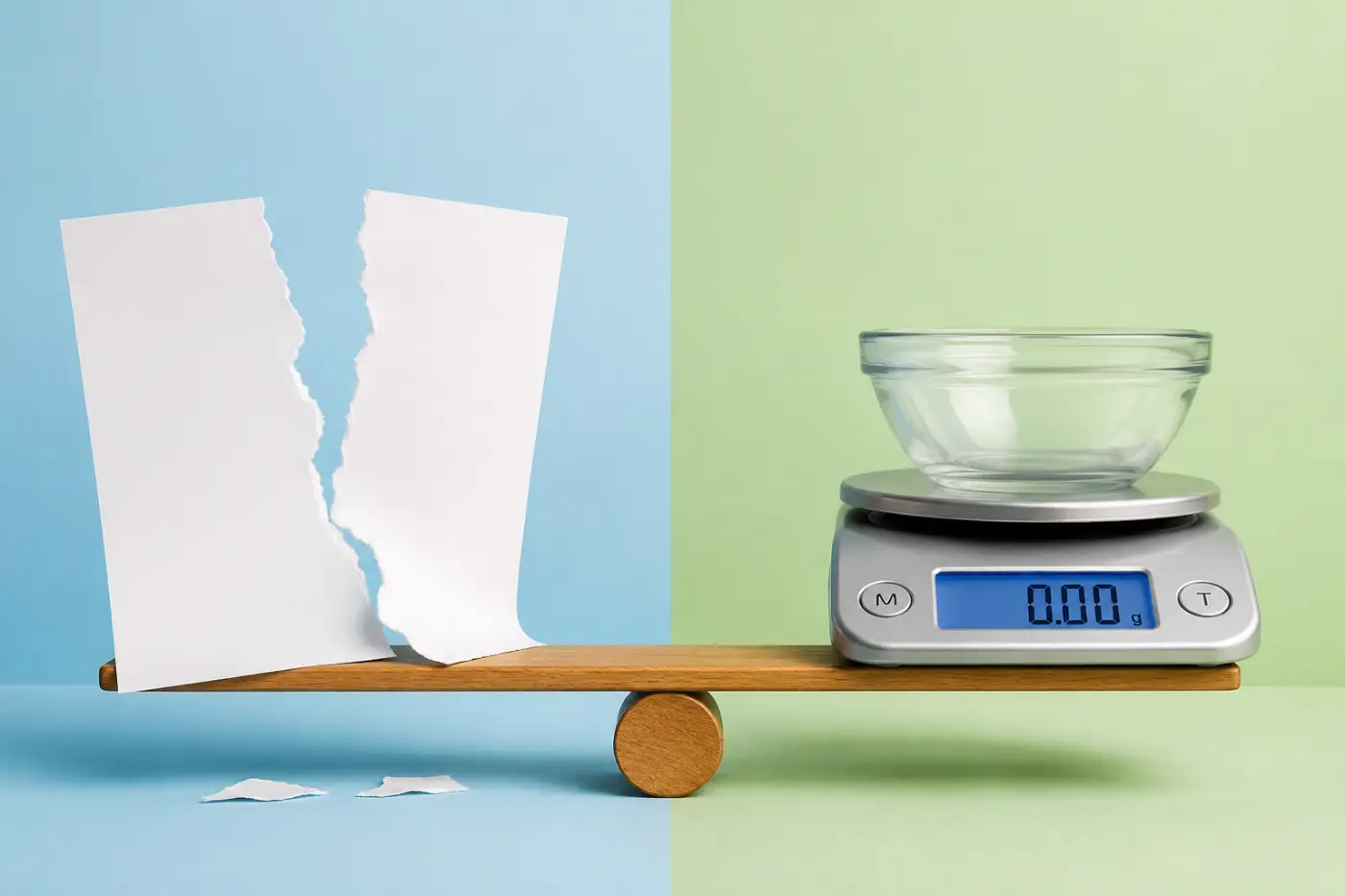
If you’re wondering about tear vs tare you’re dealing with two real English words that have completely different meanings. One can describe ripping something apart or a drop of liquid from your eye. The other is mainly used when talking about the weight of an empty container.
The correct word depends on what you mean. If you mean to rip paper cloth or another material then tear is the word you need. If you’re talking about the weight of a container before anything is added to it then tare is correct.
These words sound different in most forms of American English but they can still cause confusion because their spellings are so close. The problem gets even trickier because tear has two common pronunciations and several meanings.
This guide explains both words in plain English. You’ll learn their meanings their pronunciations their word forms common expressions and the easiest ways to remember which one belongs in your sentence.
Quick Definition
Tear can mean to pull or rip something apart. It can also mean a drop of liquid that comes from your eye. These two meanings use different pronunciations.
Tare is mainly a weight term. It means the weight of an empty container or the amount deducted from a total weight to find the weight of the contents.
Direct Answer
Use tear when you mean to rip something or a drop from the eye. Use tare when you’re talking about the weight of an empty container or the weight deducted from a total.
Comparison Table
| Word | Meaning | Example Sentence | When to Use It |
|---|---|---|---|
| Tear | To rip or pull something apart. | Be careful not to tear the paper. | Use it for ripping or damaging something. |
| Tear | A drop of liquid from the eye. | A tear rolled down her cheek. | Use it for crying or emotion. |
| Tare | The weight of an empty container. | The tare weight is listed on the label. | Use it for weighing goods and containers. |
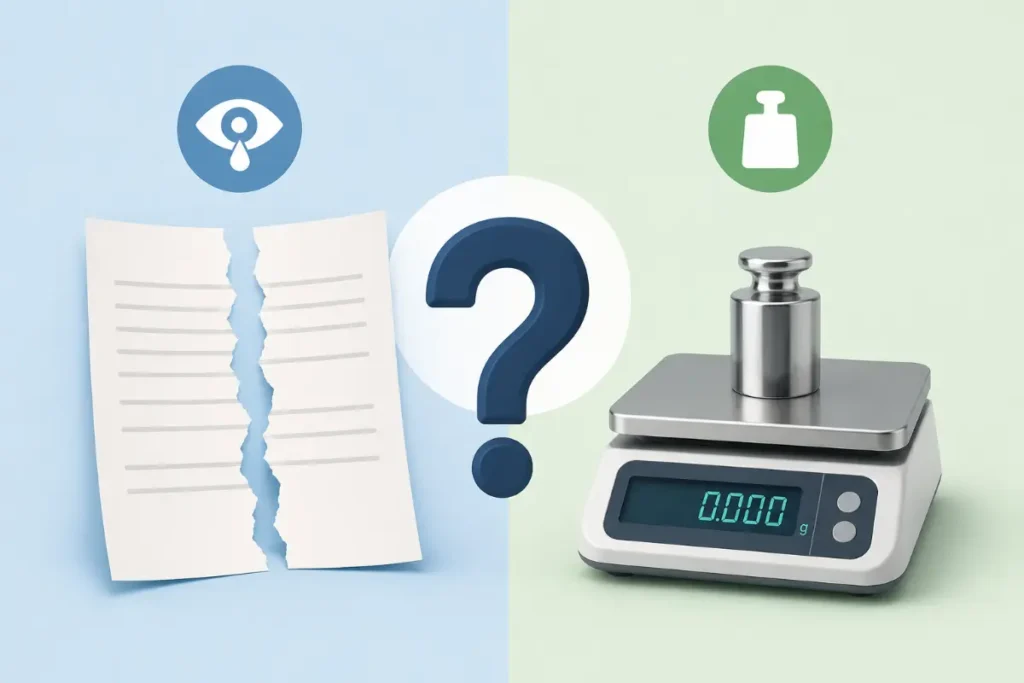
Why These Words Cause Confusion
The spelling is the first reason people mix them up. Both words contain the same four letters but in a different order. That small difference changes the meaning completely.
Another reason is that tear already has more than one meaning. You might see it in a sentence about damaged clothing or in a sentence about someone crying. The spelling stays the same but the pronunciation changes.
For example, compare these sentences.
- Be careful not to tear the paper.
- A tear rolled down his cheek.
In the first sentence, tear means to rip. It sounds like air.
In the second sentence, tear means a drop from the eye. It sounds like seer.
That can make the word seem more complicated than it really is. Once you separate the meanings, the pattern becomes much easier to understand.
Tare has a much narrower meaning in everyday English. You will mostly see it in shipping, cooking, science, manufacturing, farming, trade, and situations involving scales or measured weight.
What Does Tear Mean
The verb tear means to pull or split something apart. You can tear paper, fabric, cardboard, plastic, or other materials.
For example:
- Don’t tear the envelope.
- I accidentally tore my shirt.
- She tore the letter into small pieces.
- The children tore the wrapping paper off their gifts.
The action can be intentional or accidental. You might tear a piece of paper because you need a smaller piece, or you might tear your jacket by catching it on a sharp edge.
The noun tear can also describe a damaged place in something.
- There’s a tear in my jeans.
- The repair shop fixed the tear in the fabric.
- I found a small tear in the curtain.
In this use, tear refers to the split or opening caused by damage.
The Two Pronunciations Of Tear
This is one of the most useful things to understand about this word. Tear has two common pronunciations because it has two unrelated meanings.
Tear As Rip
When tear means to rip something, it is pronounced like tare in many forms of American English.
For example:
- Don’t tear the page.
- I tore my jacket.
- The paper will tear easily.
The present tense is pronounced like the word tare. That can make the two words especially confusing when you’re learning English through listening.
Tear As A Drop From The Eye
When tear means a drop that comes from your eye, it has a different pronunciation. It sounds like tier.
For example:
- A tear fell from her eye.
- He wiped away a tear.
- Tears filled her eyes during the movie.
The spelling doesn’t change. The meaning and pronunciation tell you which sense the writer intends.
Tear As A Verb
As a verb, tear describes the action of ripping or pulling something apart.
It can describe a gentle rip or a forceful one.
- I tore the paper carefully along the line.
- The dog tore the toy apart.
- She tore the old poster from the wall.
The verb is irregular. That means its past tense doesn’t simply use the usual ed ending.
The main forms are:
- Tear.
- Tore.
- Torn.
- Tearing.
For example:
- I tear the paper.
- I tore the paper yesterday.
- I have torn the paper.
- I am tearing the paper now.
This difference matters because many learners write teared when they mean the past tense. In standard English, tore is the simple past form and torn is the past participle.
Tear As A Noun
The noun tear has two useful meanings.
The first refers to damage in something.
- There is a tear in my shirt.
- The curtain has a large tear.
- He repaired the tear in the bag.
The second refers to liquid produced by the eyes.
- A tear rolled down her face.
- She wiped away a tear.
- His eyes filled with tears.
Context tells you which meaning the writer intends.
If someone says, There is a tear in my shirt, you know they mean damage. If someone says, There was a tear in her eye, you know they mean the liquid from the eye.
Common Expressions With Tear
English speakers use tear in many everyday expressions. Learning these phrases can help you understand the word more naturally.
Tear Apart
To tear something apart means to rip it into pieces. It can also describe intense criticism or a situation where something is badly damaged.
- The dog tore the toy apart.
- The critics tore the movie apart.
The second example is not literal. The critics didn’t physically rip the movie. They criticized it very harshly.
Tear Up
To tear something up means to rip it into smaller pieces.
- She tore up the old contract.
- I tore up the note after reading it.
Tear up can also mean to become emotional and begin to have tears in your eyes.
- I always tear up during that scene.
So the meaning depends on the context.
Tear Down
To tear something down means to pull apart or destroy a structure.
- Workers tore down the old building.
- The city plans to tear down the abandoned house.
It can also mean to criticize someone strongly.
- He spent the interview tearing down his opponent.
Tear Into
To tear into something means to attack it with force. It can describe physical action or strong criticism.
- The puppy tore into the new toy.
- The reviewer tore into the restaurant’s service.
Again, the context determines the exact meaning.
What Does Tare Mean
- Tare is a noun and a verb connected to weight.
- As a noun, tare refers to the weight of an empty container or package. This matters when you want to know the weight of the contents alone.
- Imagine you place a box full of apples on a scale. The scale shows the weight of the box and apples together. That is the gross weight.
- Now imagine the empty box weighs two pounds. Those two pounds are the tare weight.
- If the full box weighs twelve pounds and the empty box weighs two pounds, the apples weigh ten pounds.
- The basic idea is simple.
- Gross weight minus tare weight equals net weight.
This term is common in shipping and trade. It also appears on scales and in technical settings where accurate weight matters.
Tare As A Verb
Tare can also be used as a verb. When you tare a scale, you set it to zero after placing an empty container on it.
For example, imagine you’re measuring flour for a recipe. You put a bowl on the kitchen scale. The bowl has its own weight, but you don’t want that weight included in the flour measurement.
You press the tare button. The scale resets to zero. Then you add flour.
The scale now shows the weight of the flour rather than the bowl and flour together.
You may hear someone say:
- Tare the scale before adding the ingredients.
That means set the scale to zero with the empty container on it.
Gross Weight Net Weight And Tare Weight
These three terms often appear together, especially in shipping and manufacturing.
Gross Weight
Gross weight is the total weight of the product and its packaging or container. For example, a packed box might weigh fifteen pounds.
Tare Weight
Tare weight is the weight of the empty packaging or container.
If the box and packing materials weigh three pounds, the tare weight is three pounds.
Net Weight
- Net weight is the weight of the actual contents without the packaging.
- If the gross weight is fifteen pounds and the tare weight is three pounds, the net weight is twelve pounds.
- This relationship is useful because it gives you a simple way to check your calculations.
- Gross weight equals net weight plus tare weight.

Where You See Tare In Real Life
You probably don’t use tare as often as tear. Still, you’ve likely seen the word on scales or packaging.
Kitchen Scales
Many digital kitchen scales have a button labeled Tare.
The button lets you place a bowl or container on the scale and reset the display to zero. You can then add ingredients without doing the math yourself. For example, you might place a mixing bowl on the scale and press tare. Then you add flour until the display reaches the amount you need.
Shipping
Shipping companies need accurate weight measurements. Packaging adds weight, but the customer or carrier may need to know the weight of the actual goods.
Tare weight helps separate the packaging weight from the product weight.
Manufacturing
Factories may use scales to measure raw materials finished products and containers. Tare measurements help workers get accurate results.
Trade
Businesses that buy or sell goods by weight may need to account for containers or packaging. Tare weight helps make the calculation fair and accurate.
How To Remember The Difference
You don’t need a complicated spelling trick. A simple meaning based memory works well.
- Think of tear as something that can happen to paper.
- You can tear a page.
- You can also tear up a letter.
- For the emotional meaning, think about a tear in your eye.
- Then connect tare with a scale.
- If you’re standing at a scale with an empty bowl and want the display to return to zero, you tare the scale.
- A useful mental picture is this.
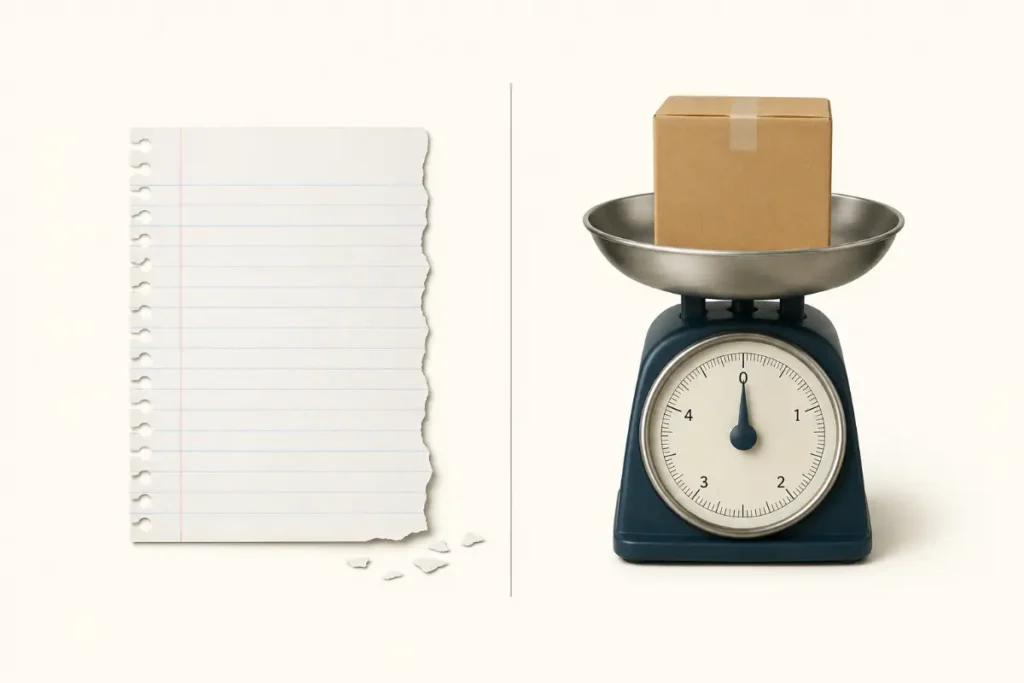
- Tear belongs with paper and eyes. Tare belongs with scales.
- That simple connection covers most situations you’ll encounter.
Tear And Rip Are Not Always Identical
Tear and rip are close in meaning but they can carry slightly different feelings.
Both can describe pulling material apart.
- I tore the paper.
- I ripped the paper.
In many everyday situations, either word works.
However, tear can sometimes sound more neutral or less forceful. Rip often suggests speed or force.
Compare these sentences.
- She carefully tore the paper along the line.
- He ripped the paper in half.
The first sounds controlled. The second sounds stronger and more sudden.
Neither word is automatically better. Choose the one that matches the action you want to describe.
Tear And Cry Are Not The Same
Another useful distinction involves the emotional meaning of tear.
A tear is the drop of liquid produced by the eye. Cry is the action or state of producing tears and expressing emotion.
For example:
- A tear rolled down his cheek.
- She began to cry.
You can also use tear in a sentence without saying that someone is crying.
- A tear formed in her eye.
The word describes the physical drop. The word cry describes the broader action.
Tear And Tear Up
These expressions can create confusion because tear up has more than one meaning.
If you tear up a document, you rip it into pieces.
- I tore up the old receipt.
If you tear up, you begin to become emotional and your eyes may fill with tears.
- I always tear up when I hear that song.
The context makes the difference clear.
Common Spelling Mistakes
One of the easiest mistakes is using tare when you mean to rip something.
For example:
- Incorrect: Don’t tare the paper.
- Correct: Don’t tear the paper.
Another mistake is using tear when talking about the weight of an empty container.
For example:
- Incorrect: Check the tear weight of the box.
- Correct: Check the tare weight of the box.
The two words are close in spelling but they belong to different areas of meaning. If the sentence involves ripping or crying, tear is probably the word you need. If it involves a scale or container weight, tare is the right choice.
Sentences To Help You Compare Them
The best way to understand the difference is to see both words in natural sentences.
- Be careful not to tear the wrapping paper.
- The tare weight of the container is two pounds.
- She tried not to tear the old photograph.
- Press the tare button before adding the flour.
- A tear appeared in his eye.
- The package weight includes the tare.
- I accidentally tore my sleeve.
- The scale automatically records the tare weight.
Notice how the surrounding words give you clues.
- Paper, shirt, fabric, and eye often point toward tear.
- Scale, container, weight, and package often point toward tare.
- These clues can help you choose the right spelling quickly.
The Difference Between Tare And Tear In Cooking
- Cooking is a good example because both words can appear in the same setting but mean completely different things.
- Suppose you’re baking cookies. You place an empty bowl on your digital scale and press the tare button. The display goes to zero. Then you add flour.
- Here tare is the correct word because you’re working with the weight of the bowl.
- Now imagine you accidentally grab a paper recipe and rip it.
- You tear the paper.
- The setting is the same but the meanings have nothing to do with each other.
- This is why context matters so much with English words that look or sound similar.
Is Tare A Common Word
Tare is a real English word but it is less common in everyday conversation than tear.
Most people use tear regularly because ripping and crying are ordinary parts of daily life. Tare tends to appear in specific situations involving weight measurement.
You might not say the word tare every day. Still, you may see it on a kitchen scale or product label.
That difference in frequency can make tare seem unfamiliar. It doesn’t mean the word is incorrect or outdated. It simply has a more specific job.
Is Tear Always About Damage
No. Tear can describe damage but it can also refer to liquid from the eye.
For example:
- There is a tear in the blanket.
Here the word describes damage.
But:
- A tear fell from her eye.
Here it describes a drop of liquid.
The spelling stays the same even though the meaning and pronunciation change.
Does Tare Have Other Meanings
Yes. Tare has a few less common meanings.
In agriculture and botany, tare can refer to certain plants in the pea family. You may encounter the word in older texts or writing about farming and plants.
There is also an older use connected with defects or allowances in weight. These meanings are much less common in everyday American English.
For most readers, the weight meaning is the one worth remembering. If you see tare on a scale or in a discussion about packaging weight, it almost certainly refers to the weight of the empty container or the process of setting the scale to zero.
Why Context Matters So Much
English contains many words that look similar but have different meanings. You cannot always choose the right spelling by looking at the letters alone.
Context gives you the clue.
Consider this sentence:
- The package has a tare of three pounds.
- The word tare makes sense because the sentence discusses weight.
Now consider:
- The package has a tear in the corner.
- Here tear is correct because the sentence describes damage.
- The difference is only one letter. The meaning changes completely.
This is why learning words through complete sentences is so useful. Instead of memorizing two spellings in isolation, connect each word with the situations where you actually use it.
A Simple Memory Trick
Try this two word connection.
- Tear means rip. Tare means scale.
- You can add one more connection for the emotional meaning.
- Tear means rip or eye. Tare means weight.
- That is enough for most everyday writing.
- If you’re talking about something being pulled apart, use tear.
- If you’re talking about a drop from someone’s eye, use tear.
- If you’re talking about an empty container or a scale being reset, use tare.
How To Use These Words In Professional Writing
Correct word choice matters in professional writing because a single letter can change the meaning of a sentence.
Imagine a shipping document that says tear weight instead of tare weight. A reader who understands shipping terminology will immediately see the mistake.
The same problem can happen in instructions.
If a recipe says to tear the scale, the sentence makes no sense. The writer almost certainly means to tare the scale.
On the other hand, if a clothing repair guide says to tare the fabric, the spelling is wrong. The correct word is tear.
When writing for work, take a moment to check the surrounding meaning. You don’t need to memorize every rule in English. A quick meaning check can prevent many errors.
When To Use Tear
Use tear when you mean to rip or split something.
Examples include:
- Tear the paper along the dotted line.
- The dog tore the cushion.
- I tore my jeans on the fence.
- Don’t tear the envelope.
- She tore the old photograph in half.
Use tear when you mean a drop of liquid from the eye.
Examples include:
- A tear rolled down her cheek.
- He wiped away a tear.
- Tears filled her eyes.
- She had tears in her eyes after hearing the news.
When To Use Tare
Use tare when talking about the weight of an empty container or the process of setting a scale to zero.
Examples include:
- The tare weight is printed on the package.
- Tare the scale before adding the flour.
- The container has a tare weight of one pound.
- The scale automatically calculates the tare.
- We need to record the tare before weighing the product.
If the sentence involves weight measurement, packaging, a container, or a scale, tare is usually the word you’re looking for.
A Quick Test You Can Use
When you’re unsure about the spelling, ask yourself one question.
- Am I talking about ripping something or a drop from the eye?
- If the answer is yes, use tear.
- Am I talking about a container’s weight or setting a scale to zero?
- If the answer is yes, use tare.
This quick test is easier to remember than a long spelling rule. It also works in real writing because it focuses on meaning.
FAQs
Is tear or tare correct for ripping something?
Tear is correct when you mean to rip or pull something apart. For example, you can tear a piece of paper or tear a hole in a shirt.
Is tear or tare correct for a drop from your eye?
Use tear. A tear is a drop of liquid produced by your eye. For example, you might say that a tear rolled down her cheek.
What does tare mean on a scale?
Tare means the weight of an empty container or the process of removing that container’s weight from the measurement. Pressing the tare button on a kitchen scale usually resets the display to zero.
Why does tear have two pronunciations?
The word tear has two different meanings that developed from different language roots. The word meaning to rip is pronounced like tare, while the word for liquid from the eye is pronounced like tier.
Is tare a real word?
Yes. Tare is a real English word. It is most commonly used when talking about weight measurement and empty containers.
What is the past tense of tear?
The simple past tense of tear is tore. The past participle is torn.
For example, you can say I tore my shirt yesterday or I have torn my shirt.
Is tear a noun or a verb?
It can be both. As a verb, tear means to rip something. As a noun, it can mean a rip or a drop from the eye.
How can I remember the difference between tear and tare?
Connect tear with ripping and crying. Connect tare with a scale and weight. If you can picture paper being ripped or an eye producing a tear, choose tear. If you picture an empty bowl sitting on a scale, choose tare.
Conclusion
The difference between tear vs tare becomes much easier once you focus on meaning instead of spelling. Tear is used for ripping something and for a drop from the eye. Tare is mainly used for weight measurement and empty containers.
Remember the simple connection. Tear belongs with paper fabric damage and tears from the eyes. Tare belongs with scales containers and weight.
You can also remember that tear has two pronunciations. When it means rip it sounds like tare. When it means a drop from the eye it sounds like tier. The context tells you which meaning the writer intends.
The next time you face tear vs tare stop for a second and ask what the sentence means. If something is being ripped or someone is crying use tear. If you’re measuring an empty container or resetting a scale use tare. That quick check will help you choose the right word every time.

Sienna Watson is a veteran copywriter and communications coach who has helped startup founders, marketers, and professionals polish their writing for over a decade. Realizing that most people don’t need a degree in linguistics—just clear, impactful communication—Sienna focuses on practical grammar, business writing etiquette, and eliminating wordiness. She advocates for plain language, strong verbs, and persuasive prose that gets results.