
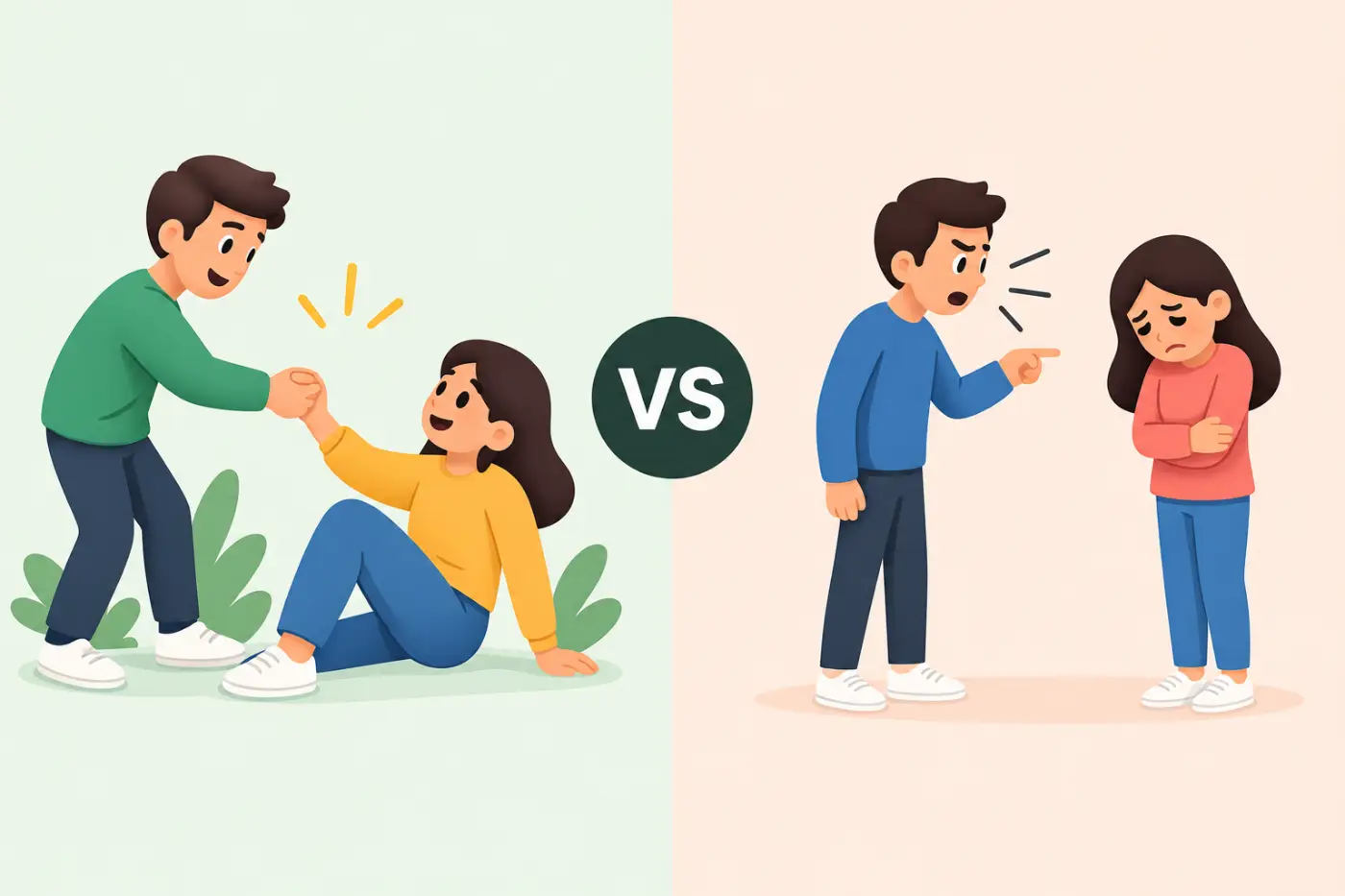
If you’re searching for affend vs offend you’re probably trying to figure out which spelling is correct. The answer is simple: offend is the correct English word. Affend is a misspelling and doesn’t have a standard meaning in English.
The confusion often comes from pronunciation. When people hear the word spoken quickly they may not clearly hear the first vowel. That can make the incorrect spelling look reasonable. Once you see how the word is used and where it comes from the correct form becomes much easier to remember.
Offend is a common verb. It can mean to upset someone by saying or doing something rude. It can also mean to break a rule or go against accepted standards. This article explains both meanings and shows you how to use the word naturally.
Quick Definition
Offend is a verb that usually means to upset or hurt someone’s feelings through words or actions. It can also mean to break a law rule or accepted standard. Affend is not the correct spelling in standard English.
Direct Answer
Offend is the correct spelling. Affend is incorrect and should not be used in standard English writing.
Comparison Table
| Word | Meaning | Example Sentence | When To Use It |
|---|---|---|---|
| Offend | To upset someone or break a rule or standard. | I didn’t mean to offend you. | Use this spelling in all standard English writing. |
| Affend | Incorrect spelling. | This spelling is not standard English. | Do not use it. |
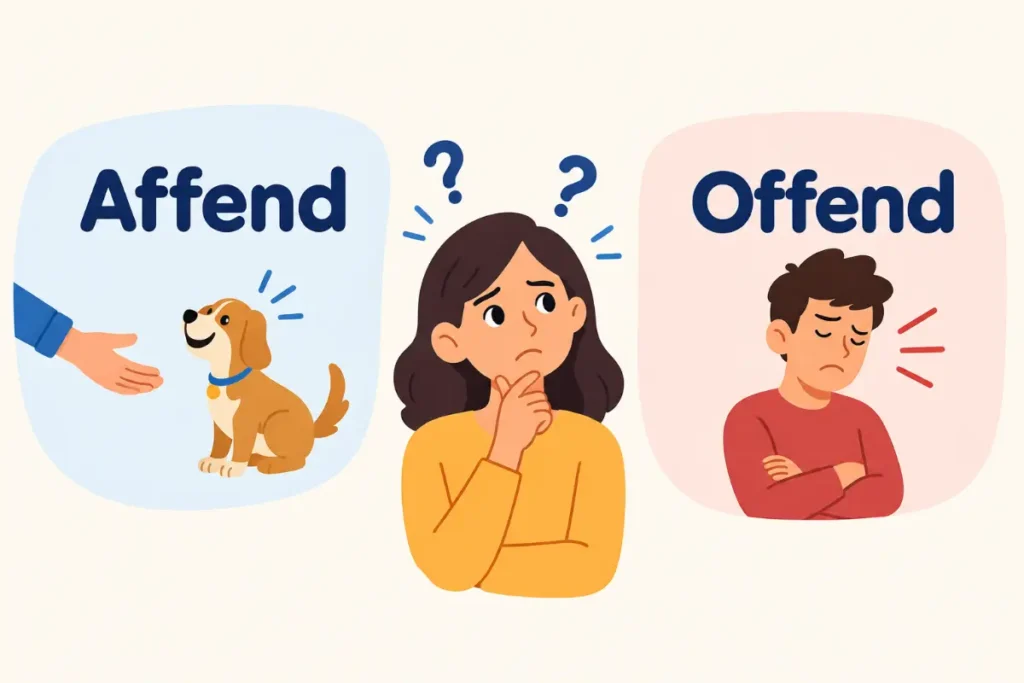
Why People Confuse These Spellings
The main reason for this mistake is the way the word sounds. English pronunciation can make some words harder to spell because the sounds we hear don’t always match the letters we expect to see.
When someone says offend quickly the first syllable can sound soft. A person who hasn’t seen the word often may hear something close to an unstressed vowel sound. That can lead to an incorrect spelling that starts with af instead of of.
There is another reason for the confusion. English has many words that begin with af. Words such as affect, afford, and affirm are common. Your brain may try to fit an unfamiliar spelling into a pattern that already feels familiar.
That doesn’t work with this word. The correct form starts with of and has two f letters in the middle.
The easiest way to remember it is to connect the spelling with familiar words from the same family. Offense, offensive, and offender all begin with off. Once you recognize that family the spelling becomes much harder to forget.
What Does Offend Mean
The most common meaning of offend is to upset someone through something you say or do. The action might be rude disrespectful insensitive or simply unwelcome.
For example, imagine someone makes a joke about another person’s appearance. If the joke hurts that person’s feelings the speaker may have offended them.
You could say:
- I hope I didn’t offend you.
- His comment offended several people.
- She didn’t mean to offend anyone.
- That joke could offend some readers.
The word doesn’t always mean that someone intended to cause harm. A person can offend someone by accident.
For example, you might make a comment that seems harmless to you. Another person may take it differently and feel hurt. In that case you could say that your comment offended them even though you didn’t mean to cause trouble.
This distinction matters because offend describes the effect of an action. It doesn’t automatically tell us what the person’s intention was.
Offend Can Mean Break A Rule
The word has another important meaning. Offend can also mean to break a law rule principle or accepted standard.
This use often appears in formal writing.
For example:
- The company offended against basic safety rules.
- The action was seen as offending public standards.
- The policy may offend against established legal principles.
You may notice this meaning less often in everyday conversation. Most people use offend to talk about hurt feelings. The second meaning appears more often in legal academic or formal contexts.
The two meanings are connected by the idea of crossing a boundary. In one sense you cross a social boundary and upset someone. In another sense you cross a rule or accepted standard.
Offend In Everyday Conversation
You will often hear this word when people talk about manners feelings or personal opinions. The exact meaning depends on the situation.
When Someone Hurts Your Feelings
If someone’s words make you feel insulted or disrespected you can say that they offended you.
For example:
- I was offended by the way he spoke to me.
- Her comment really offended me.
- I found his behavior offensive.
The word offended describes how someone feels after an upsetting action.
When Someone Wants To Avoid Hurting Feelings
People also use the word when they want to make their intentions clear.
For example:
- I don’t want to offend you.
- Please don’t take this the wrong way. I don’t mean to offend you.
- I hope this doesn’t offend you but I think there’s a better way to handle it.
These phrases are common because they soften a statement that could sound critical.
When Someone Apologizes
If you realize that your words hurt someone you can use offend when apologizing.
For example:
- I’m sorry if I offended you.
- I didn’t realize that my comment would offend you.
- I apologize if my words offended anyone.
The word works naturally in both casual and formal situations.
Offend And Offended Are Not The Same Form
A common grammar question involves the difference between offend and offended. Both are correct but they serve different purposes.
Offend is the base form of the verb.
- I didn’t mean to offend her.
- Some jokes can offend people.
Offended is the past tense and past participle.
- His comment offended me.
- She felt offended by the remark.
It can also work as an adjective when it describes someone’s emotional state.
- He looked offended.
- The customer was clearly offended.
Knowing the word forms can help you use the term correctly instead of focusing only on its spelling.
How To Use Offend Correctly
The verb offend can appear in several common sentence patterns. The right pattern depends on what you want to say. Once you understand these basic structures you can use the word naturally in conversation and writing.
One common pattern is offend someone. In this structure the person who feels hurt comes directly after the verb.
For example.
- I didn’t mean to offend you.
- His comment offended his coworker.
- That joke might offend some people.
- She was careful not to offend her guests.
You can also use offend someone with something when you want to explain what caused the reaction.
- He offended his friend with a rude remark.
- The advertisement offended some viewers with its language.
Another useful pattern is be offended by something. This construction focuses on the person who feels upset rather than the person who caused the reaction.
- She was offended by his comment.
- Many customers were offended by the advertisement.
- I wasn’t offended by the question.
These structures are all grammatically correct. Choose the one that best matches the point you want to make.
Offend And Insult Have Different Meanings
Offend and insult are closely related but they aren’t exact synonyms. An insult is usually a direct or obvious attack on someone’s dignity or character. To offend someone has a broader meaning and can involve words actions jokes opinions or behavior that upset them.
For example someone might insult another person by calling them uninformed. That is a direct personal attack.
Someone could offend another person without directly insulting them. A careless joke about a sensitive subject might hurt someone’s feelings even if the speaker never intended it as a personal attack.
Consider these examples.
- His insult made her angry.
- His joke offended her.
- I didn’t intend to insult anyone.
- I didn’t intend to offend anyone.
The two verbs can overlap but they aren’t interchangeable in every sentence.
Offend And Hurt Have Different Uses
The word hurt can describe physical pain or emotional pain. Offend usually relates to feelings of disrespect anger or insult.
For example.
- I hurt my knee while playing soccer.
- Her comment hurt my feelings.
- His rude behavior offended me.
A person can feel hurt without feeling offended. Someone might feel sad after a friend’s careless comment without seeing it as an insult.
Likewise a person might feel offended because they believe someone crossed a social line. The reaction depends on the situation and the person involved.
This difference helps you choose the right word instead of treating every negative emotional reaction as an offense.
Offend And Disagree Are Not The Same
Disagreement doesn’t automatically mean offense.
People can have completely different opinions without anyone feeling insulted. You might disagree with someone’s political view religious idea business decision or personal preference while still speaking respectfully.
For example.
- I disagree with his opinion but I’m not offended by it.
- We have different views but neither of us took offense.
- She disagreed with my suggestion without becoming upset.
The problem begins when disagreement turns into disrespect. A person may feel offended because of the way an opinion is expressed rather than the opinion itself.
That distinction is useful in everyday communication. You can challenge an idea without attacking the person who holds it.
What Does Offensive Mean
Offensive is the adjective form related to offend. It describes something that causes people to feel insulted upset or disrespected.
For example.
- The comment was offensive.
- Some viewers found the advertisement offensive.
- He apologized for using offensive language.
The adjective can describe words jokes behavior images gestures or other things that may upset people.
The meaning depends heavily on context. Something that one person finds offensive might not bother another person at all. Social expectations also change across cultures groups and situations.
That doesn’t mean the word has no clear meaning. It means that offense often depends on the subject matter the setting and the people involved.
What Does Offense Mean
Offense is the noun form. It can describe an action that causes someone to feel insulted or upset.
For example.
- She took offense at his comment.
- No offense was intended.
- He caused offense with his remarks.
In American English offense is the usual spelling.
There is also another meaning in sports. Offense can refer to the team or players trying to score.
For example.
- The team’s offense scored three touchdowns.
- Our offense struggled in the first half.
The spelling stays the same but the meaning changes based on context.
What Does Offender Mean
An offender is a person who commits an offense. The word often appears in discussions about laws rules or harmful behavior.
For example.
- The court sentenced the offender.
- First time offenders may receive different penalties.
- The school suspended the student for repeated offenses.
The word doesn’t always relate to someone’s feelings. In legal contexts an offender is generally someone who has broken a law.
You can also see the term in phrases such as repeat offender. This describes someone who commits offenses more than once.
What Does Taking Offense Mean
The phrase take offense means to become upset or feel insulted because of something someone said or did.
For example.
- She took offense at his question.
- Don’t take offense. I was only trying to help.
- He took offense when they criticized his work.
This phrase is common in everyday English.
Notice the preposition at in the common structure take offense at something.
You can say.
- She took offense at the remark.
- He took offense at the suggestion.
You can also say take offense to something in some varieties of English but take offense at is a standard and widely used construction in American English.
What Does No Offense Mean
No offense is a common expression people use before or after saying something that might sound critical.
For example.
- No offense but I think you need more practice.
- No offense. I just don’t like that style.
- I mean no offense by my comment.
The phrase tells the listener that the speaker doesn’t intend to insult them. Still it doesn’t guarantee that the listener won’t feel offended.
For that reason no offense can sometimes sound awkward. If the statement that follows is harsh the phrase may not soften it very much.
Compare these two examples.
- No offense but your presentation was terrible.
- I don’t mean to be rude but I think the presentation could be clearer.
The second version sounds more considerate because it focuses on the work rather than attacking the person.
Common Mistakes With The Word
Spelling isn’t the only thing that causes problems. Some people also use related forms incorrectly or choose a structure that doesn’t fit the meaning.
Using The Wrong Spelling
The most basic mistake is replacing the opening o with a. The correct form starts with of and contains two f letters.
Remember the related words offense and offensive. They can help reinforce the spelling in your memory.
Confusing Offend With Offended
Use offend when describing the action.
- I don’t want to offend you.
Use offended when describing a past reaction or someone’s current emotional state.
- I didn’t mean to offend you.
- She felt offended by the remark.
The difference becomes clear once you look at the role of the word in the sentence.
Confusing Offense With Offensive
Offense is a noun.
- He took offense at the comment.
Offensive is an adjective.
- The comment was offensive.
A quick test can help. If you are describing something use offensive. If you are naming the act or reaction use offense.
When Should You Use Offend
Use offend when you want to say that someone’s words behavior or actions may upset another person or cause them to feel insulted.
For example.
- I hope my question doesn’t offend you.
- Some readers may find the language offensive.
- He didn’t realize that his comment could offend people.
The word works well in casual speech and formal writing. It isn’t limited to one type of situation.
You can also use it when discussing rules standards or laws.
- The decision may offend against established principles.
That construction is less common in everyday American speech. In normal conversation people are much more likely to use offend in connection with someone’s feelings.
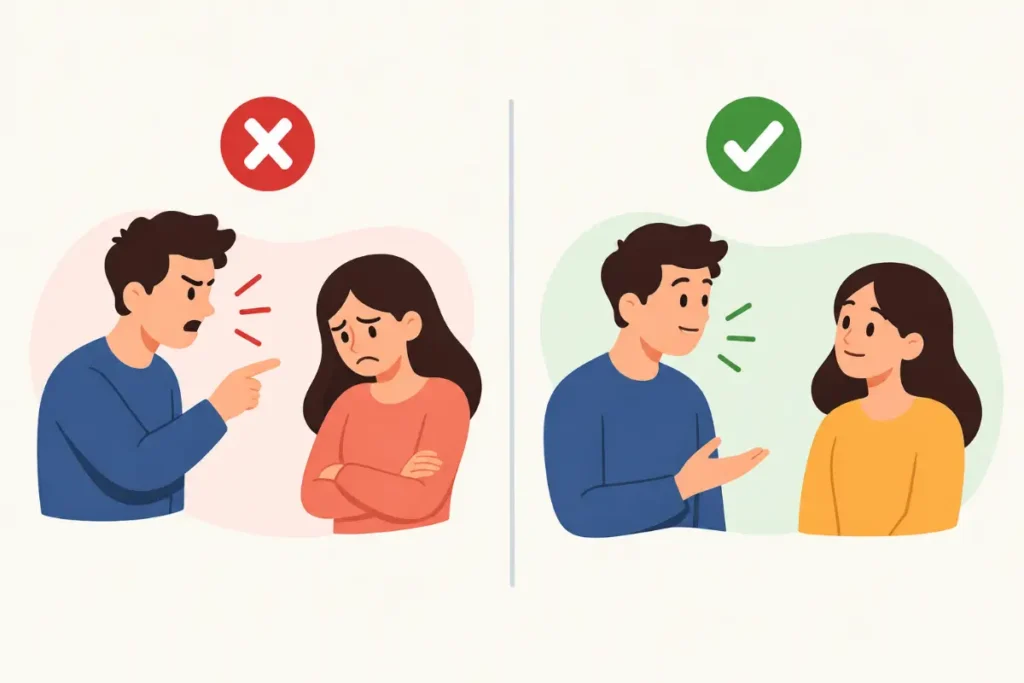
When Should You Avoid Using Offend
Don’t use offend simply because someone disagrees with you. A different opinion isn’t automatically offensive.
For example saying My friend disagreed with my idea is usually clearer than saying My friend offended me if no hurtful or disrespectful behavior occurred.
Likewise avoid using the word when you simply mean disappoint.
If a restaurant serves you a meal you don’t enjoy you might say.
- The meal disappointed me.
You wouldn’t normally say.
- The meal offended me.
You could use offended if something about the meal or service crossed a personal or cultural boundary. The context matters.
Choosing the precise word makes your writing stronger. It tells the reader exactly what happened instead of using a broad word for every negative reaction.
Part 3 continues with practical usage patterns, spelling memory tips, and related words so the article builds naturally without repeating the same points.
How To Remember The Correct Spelling
The easiest way to remember the spelling is to focus on the beginning of the word. Offend starts with off. Think of the related words offense, offensive, and offender. They all begin with the same three letters.
You can also connect the spelling to a simple phrase in your mind. Think off before end. The word starts with off and ends with end. This gives you a quick visual pattern that can help when you’re typing.
Another useful habit is to picture the word before writing it. If you hear someone say the word and aren’t sure how to spell it pause for a moment and think about offense or offensive. Those familiar words can point you back to the correct spelling.
Reading also helps. When you see the correct form in books articles emails and other everyday writing your brain starts to recognize it automatically. Over time you won’t need to stop and think about the spelling.
A Simple Spelling Trick
Picture the word in two parts.
OFF + END
The first part is off. The second part is end. Put them together and you get offend.
This trick isn’t meant to explain the history of the word. It’s simply a memory aid. It gives you a quick pattern to use when you’re unsure.
You can build a similar connection with its related forms.
OFF + ENSE gives you offense.
OFF + ENSIVE gives you offensive.
OFF + ENDER gives you offender.
Seeing the shared beginning makes the entire word family easier to remember.
Offend In Different Contexts
The meaning of offend can change slightly depending on the situation. Understanding these contexts will help you choose the word with more confidence.
Personal Conversations
In a personal conversation the word usually relates to someone’s feelings.
- I didn’t mean to offend you.
- Her comment offended me.
- I hope you aren’t offended by my question.
These sentences focus on a person’s emotional reaction.
Social Situations
The word can also describe behavior that goes against social expectations.
- His rude behavior offended the guests.
- Some people may find that joke offensive.
- She tried to avoid saying anything that might offend her hosts.
Here the focus is often on manners respect and social boundaries.
Public Communication
You may see the word in news reports advertisements public statements and other forms of communication.
- The company apologized for the advertisement after customers said it offended them.
- The speaker removed the comment after realizing that it could offend some listeners.
In these examples the word describes the reaction of a group or audience.
Legal And Formal Writing
Formal writing can use offend in connection with laws rules or accepted principles.
- The action may offend against established legal principles.
- The ruling was criticized because it was thought to offend basic rights.
This use is less common in everyday American conversation. Still it’s useful to recognize it when reading formal material.
Can You Offend Someone Without Meaning To
Yes. A person can cause offense without intending to hurt anyone.
Imagine that you make a joke about a subject that you think is harmless. Someone else may have a personal experience that makes the subject sensitive. Your intention may have been friendly but the listener may still feel hurt.
You could say:
- I didn’t mean to offend you.
- I’m sorry. I didn’t realize that comment would upset you.
- I apologize if my words came across as disrespectful.
This is one reason the word doesn’t always imply bad intentions. It describes the reaction or effect of what happened.
The same idea applies to written communication. A short email can sound cold even when the writer meant nothing negative. Without facial expressions or tone of voice the reader has to interpret the words on the screen.
That doesn’t mean you should worry about offending people every time you speak. It simply helps to remember that words can affect people differently.
Can A Joke Be Offensive
Yes. A joke can be offensive if it insults someone or touches on a subject that people consider sensitive.
Comedy often depends on context. A joke between close friends may be received differently from the same joke in a workplace or public setting.
For example:
- That joke offended several people at the meeting.
- He realized the joke was inappropriate and apologized.
- The comedian warned the audience that the material might be offensive.
The adjective offensive is often more natural than the verb in this situation because you’re describing the joke itself.
Can A Question Be Offensive
A question can offend someone if it feels too personal rude judgmental or disrespectful.
For example asking a close friend about a difficult personal matter may be fine in one setting. Asking the same question to a stranger in public could make them uncomfortable.
You might say:
- I hope this question doesn’t offend you.
- She was offended by the personal question.
- He asked a sensitive question without realizing how it might sound.
The key point is that asking a question isn’t automatically offensive. The subject wording timing and relationship between the people all matter.
Can An Opinion Be Offensive
An opinion can offend someone but disagreement alone doesn’t make an opinion offensive.
People have different beliefs about politics religion money education relationships food sports and many other subjects. You can disagree with another person and still treat them with respect.
For example:
- I disagree with your opinion but I respect your right to have it.
- His opinion offended some people because of the way he expressed it.
- She shared a strong opinion without insulting anyone.
The wording can make a major difference. A respectful disagreement focuses on the idea. A personal attack focuses on the person.
Compare these statements.
- I don’t agree with your argument.
- Only an idiot would believe that.
The first expresses disagreement. The second attacks the person and is far more likely to cause offense.
How Offend Works With Prepositions
English learners sometimes struggle with the small words that come after verbs. Offend usually takes a direct object when you say who was upset.
For example:
- I didn’t mean to offend him.
- The remark offended her.
- The decision offended many customers.
You can also use offended by when the sentence focuses on the person who experienced the reaction.
- She was offended by his remark.
- They were offended by the advertisement.
- He felt offended by the accusation.
Another common expression is take offense at.
- She took offense at his comment.
- He took offense at the question.
- They took offense at the suggestion.
Learning these patterns is more useful than memorizing isolated grammar rules. Once you’ve seen them in enough real sentences they start to feel natural.
Offend In The Past Tense
The past tense is offended. You add ed to the base form.
For example:
- His comment offended me.
- The remark offended several customers.
- She apologized because her words offended her friend.
The past participle is also offended.
- I have never offended him intentionally.
- She has offended several people with similar comments.
The form offended can also act as an adjective.
- He looked offended.
- She seemed offended by the question.
- The customer was clearly offended.
The sentence structure tells you how the word is working.
Offending And Offender
The word family also includes offending and offender.
Offending can describe something that causes offense.
- The company removed the offending advertisement.
- She apologized for the offending remark.
In these examples the word describes the thing that caused the problem.
Offender refers to someone who commits an offense.
- The police identified the offender.
- The repeat offender faced additional penalties.
These meanings are different from the everyday use of offend that describes hurt feelings. Still they all come from the same word family.
Offense And Offence
You may sometimes see offence with a c instead of offense. Both spellings exist in English.
Offense is the standard spelling in American English. Offence is mainly used in British English and some other varieties of English.
For a US audience use offense.
The same difference appears in related words.
American English uses offensive and offender in the usual way. Those words don’t change to forms such as offencive or offencer.
This spelling difference can explain some of the variation you may see online. If you’re writing for readers in the United States stick with the American spelling.
Related Words That Can Help You Learn
Learning a group of related words can make spelling and vocabulary easier at the same time.
Offense
An offense can be an act that causes someone to feel insulted. It can also mean a violation of a law or rule.
- He apologized for causing offense.
- The player committed a serious offense.
Offensive
Offensive describes something that causes offense or is likely to do so.
- The comment was offensive.
- The team used an offensive strategy.
Offender
An offender is someone who commits an offense.
- The offender was arrested.
- The court gave the first time offender a lighter sentence.
Offended
Offended describes someone who has been upset or insulted.
- She felt offended by the remark.
- He looked offended when he heard the comment.
Putting these forms together makes the spelling easier to remember. They all begin with off.
A Quick Test For Your Writing
If you’re unsure about the spelling while writing an email or document try replacing the word with insult for a moment.
If your sentence means that someone might feel insulted then offend may be the word you need.
For example:
- I didn’t mean to offend you.
- I didn’t mean to insult you.
Both can work but they don’t have exactly the same meaning. Offend is broader because it can describe many kinds of behavior that cause upset or hurt.
If you simply mean that someone disagreed with an idea then neither word may be necessary.
Instead you could write:
- I disagree with your point.
- We have different opinions.
- I see the issue differently.
Choosing a precise word makes your writing clearer and prevents you from making a stronger claim than you intend.
Why Context Matters
A word like offend deals with human reactions. Those reactions depend on the situation.
A comment between close friends can have a very different effect from the same comment in a workplace. A joke at a private gathering may be received differently from a public statement. The speaker’s tone can also change how the listener understands the words.
That’s why you shouldn’t assume that every disagreement involves offense. Look at what was said how it was said and what happened afterward.
This also helps when reading the word. If you see offend in a sentence first identify the subject and the object. Then ask what kind of boundary was crossed. Was someone insulted or upset. Was a rule broken. The surrounding words usually make the intended meaning clear.
The Most Useful Rule To Remember
If you remember only one thing from this guide remember the spelling pattern off.
The correct word begins with off. It doesn’t begin with aff.
You can connect it with offense, offensive, offender, and offended. That shared beginning gives you several reminders instead of relying on one spelling rule.
When you’re writing quickly and the spelling suddenly looks unfamiliar stop for a second. Picture off at the start. Then finish the word as offend.
That tiny pause can prevent a very common spelling error.
FAQs
Is affend a word?
No. Affend isn’t a standard English word. It’s a common spelling mistake for offend.
Is offend the correct spelling?
Yes. Offend is the correct spelling. Use it when you mean to upset or insult someone or to violate a rule or accepted standard.
Why do people spell offend as affend?
The mistake usually comes from pronunciation. The first vowel can sound less clear in normal speech which makes the spelling harder to guess. People may also connect the sound with familiar words that start with af.
How do I remember the spelling of offend?
Remember the first three letters as off. You can connect the word with offense, offensive, offender, and offended because they all share the same beginning.
What is the difference between offend and insult?
Offend has a broader meaning. It can describe behavior that upsets or disrespects someone while insult usually refers to a direct remark or action that attacks someone’s dignity.
What is the past tense of offend?
The past tense is offended. For example you can say His comment offended me or She felt offended by the remark.
Is offense spelled with a C or an S?
In American English the usual spelling is offense with an s. Offence with a c is mainly used in British English and some other varieties of English.
Can you offend someone without meaning to?
Yes. A person can feel offended even when the speaker didn’t intend to hurt them. A careless joke personal question or poorly worded comment can cause offense without deliberate intent.
Conclusion
When you’re deciding between affend vs offend the answer is clear. Offend is the correct spelling and affend is a misspelling. The correct word can describe upsetting someone through words or actions and it can also describe breaking a rule or accepted standard.
The spelling becomes easier once you remember the off beginning. Think about offense, offensive, offender, and offended. These related words reinforce the same spelling pattern and give you several ways to remember it.
The word also has a useful range of meanings. You can offend someone by making a hurtful comment. You can feel offended by someone’s behavior. A person can take offense at a remark. In more formal writing the word can also describe violating a rule or principle.
If you aren’t sure how to spell the word while writing simply remember off at the beginning. Write offend rather than affend. That small spelling check will keep this common mistake out of your writing.

Dr. Elena Vance holds a Ph.D. in Linguistics from Columbia University and has spent over 15 years analyzing the evolution of the English language. A former university professor turned full-time writer and editor, Elena specializes in breaking down high-level grammatical concepts, punctuation nuances, and style guides (APA, Chicago, MLA) into clear, actionable advice. When she isn’t hunting down dangling modifiers, she can be found collecting vintage dictionaries and reading classic literature.