
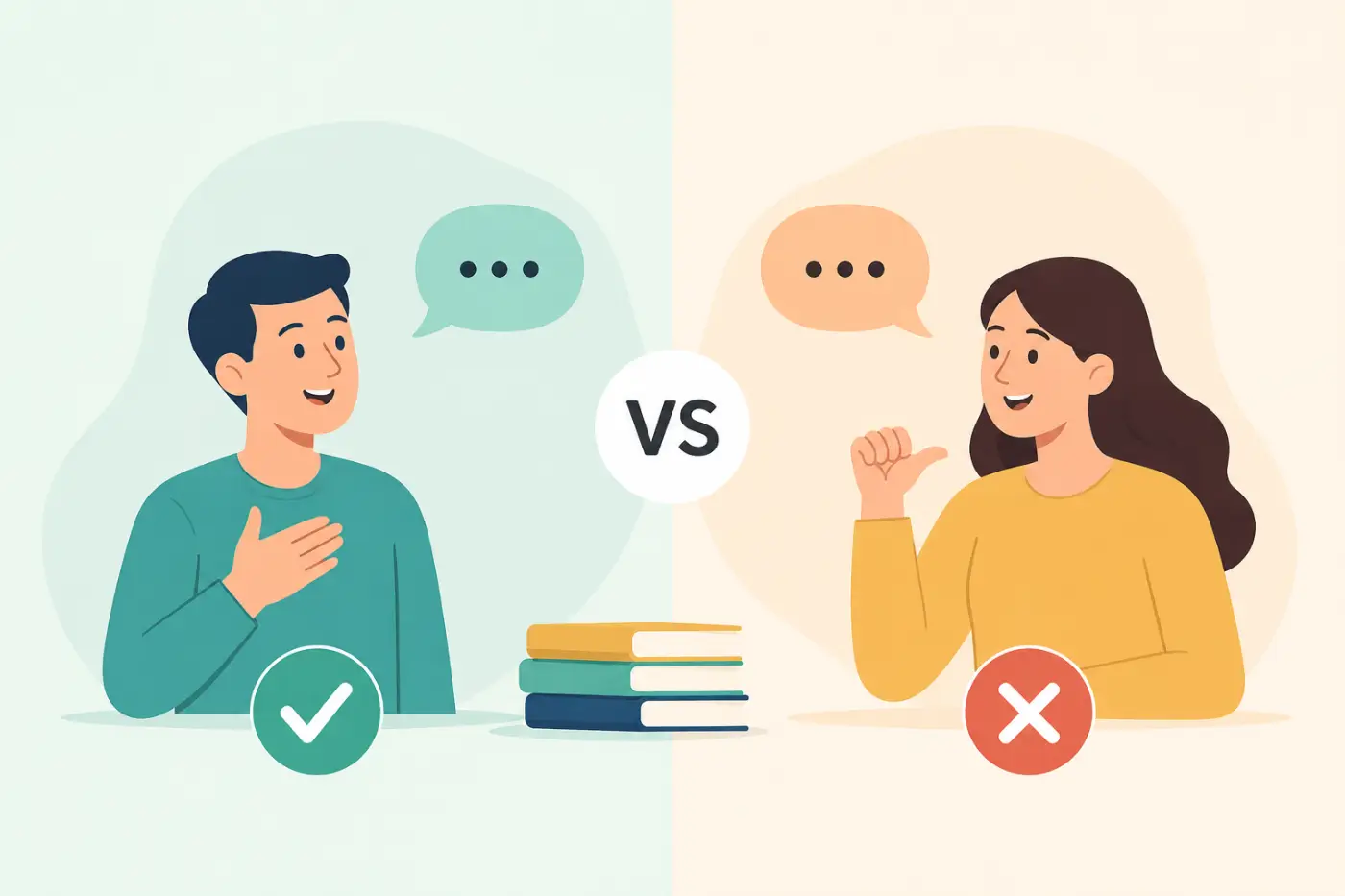
If you’ve ever paused before saying me either vs me neither you’re not alone. Both phrases are common in everyday English but they are not always used the same way. One sounds more natural in casual conversations while the other follows traditional grammar more closely.
The short answer is simple. Me neither is the grammatically correct response after a negative statement. Me either is also widely used in spoken American English and most native speakers accept it in casual conversations.
That leaves many English learners and even native speakers wondering which one they should use. The answer depends on the situation the level of formality and the style of English you want to follow.
This guide explains the difference in plain English. You’ll learn what each phrase means when to use it common mistakes to avoid and plenty of real examples that make the rule easy to remember.
Quick Definition
Me neither and me either are short replies that show you agree with someone who has made a negative statement. They both mean that the same negative idea is true for you.
Although both phrases are common me neither is traditionally considered the more grammatically correct choice. Me either is widely accepted in informal American English and appears often in everyday speech.
Direct Answer
If you want the safest and most grammatically correct choice use me neither after a negative statement. In casual American English me either is also natural and commonly understood.
Comparison Table
| Phrase | Meaning | Example Sentence | Best Time To Use |
|---|---|---|---|
| Me neither | I do not either. | I do not like spicy food. Me neither. | Formal and informal English. |
| Me either | I do not either. | I do not watch horror movies. Me either. | Casual American English. |

Why Do People Get Confused
At first glance both expressions seem to mean exactly the same thing. In most conversations they do. That is why many people use them without thinking twice.
The confusion comes from grammar. Since the first speaker makes a negative statement many people expect the reply to stay negative as well. That is why traditional grammar prefers me neither.
Real conversations do not always follow grammar books. Native speakers often shorten sentences skip words and choose the version that feels more natural. Over time me either became common in everyday American English even though grammar experts have long favored me neither.
If you watch American movies listen to podcasts or chat with friends you will probably hear both phrases. That can make it difficult to know which one belongs in your own writing or speech.
The good news is that once you understand the grammar and the difference in tone choosing the right response becomes much easier.
What Do These Phrases Actually Mean
Both expressions are shortened versions of a longer sentence.
Imagine someone says.
- I do not enjoy cold weather.
The full response could be.
- I do not enjoy cold weather either.
Instead of repeating the whole sentence people shorten it to a quick reply.
- Me neither.
- Me either.
Both replies tell the listener that you share the same opinion or experience. The only real difference is the level of grammatical formality. These short responses make conversations feel faster and more natural. That is why you hear them so often in everyday speech.
The Grammar Behind Me Neither
Traditional English grammar treats me neither as the correct response because it matches the negative idea in the first sentence. For example.
- I have not seen that movie.
- Me neither.
The word neither already carries a negative meaning. It tells the listener that the same negative statement applies to another person. You can also say the complete sentence.
- Neither have I.
This version is considered more formal and follows standard grammar rules perfectly. It often appears in professional writing formal conversations and English language exams. Even though the longer sentence is more formal me neither has become the natural short reply that most grammar guides recommend.
When Me Neither Sounds Best
There are many situations where me neither is the safest choice because almost everyone accepts it.
In School
Teachers usually expect students to follow standard grammar in essays assignments and classroom discussions.
Example.
- I did not understand the last question.
- Me neither.
At Work
Professional emails meetings and workplace conversations often benefit from clear standard English.
Example.
- I have not received the updated report.
- Me neither.
In Formal Writing
Dialogue in books articles or educational materials often uses me neither because it matches traditional grammar and avoids unnecessary debate. Using this phrase in formal settings means you never have to worry about sounding incorrect.
When To Use Me Either
Even though grammar books usually recommend me neither many native English speakers say me either in everyday conversations. In the United States you will hear it in homes schools workplaces movies and TV shows.
Language changes over time. When millions of people use the same expression it often becomes a normal part of everyday speech. That is exactly what happened with me either. While some grammar experts still prefer the traditional form most people understand it without thinking twice.
If you are chatting with friends family or coworkers me either sounds completely natural. Still it is best to avoid it in formal writing or situations where standard grammar matters.
Everyday Conversation
Casual conversations are where me either feels most at home. Examples.
- I do not like getting up early.
- Me either.
- I cannot stand long meetings.
- Me either.
- I did not enjoy that movie.
- Me either.
In each example the reply sounds relaxed and natural because the conversation is informal.
Text Messages And Social Media
People often choose the quickest response when texting or commenting online. That is one reason me either appears so often on social media. Examples.
- I have not finished the series yet.
- Me either.
- I am not ready for Monday.
- Me either.
These short replies keep conversations moving without repeating the whole sentence.
Me Neither Versus Neither Do I
Both expressions are correct but they have different levels of formality. Me neither is a short conversational reply. Neither do I is a complete sentence that follows traditional grammar. Compare these examples.
- I do not drink coffee.
- Me neither.
Now compare it with this version.
- I do not drink coffee.
- Neither do I.
Both replies mean the same thing. The second one sounds a little more polished and is more common in formal writing speeches and presentations.
When To Choose Neither Do I
This version works well when you want your English to sound more formal or carefully written. Examples.
- I have never visited Alaska.
- Neither have I.
- I cannot swim very well.
- Neither can I.
Notice that the helping verb changes to match the first sentence. That is an important grammar rule.
Matching The Helping Verb
When you use a full response like Neither do I the helping verb must match the original sentence.Here are some common examples.
| First Statement | Correct Reply |
|---|---|
| I do not like tea. | Neither do I. |
| I cannot drive. | Neither can I. |
| I have never been there. | Neither have I. |
| I was not invited. | Neither was I. |
| I will not go. | Neither will I. |
This pattern may seem difficult at first but it becomes natural with practice.
Common Mistakes People Make
Many learners know the meaning of these expressions but use them in the wrong situation. Understanding these mistakes will help your English sound more natural.
Using A Negative Reply After A Positive Statement
Negative replies should only follow negative statements.
Incorrect.
- I love pizza.
- Me neither.
This reply does not make sense because the first statement is positive.
Correct.
- I love pizza.
- Me too.
Mixing Positive And Negative Responses
People sometimes use the wrong short reply because they focus on the topic instead of the sentence. Compare these examples.
- I am not hungry.
- Me neither.
- I am hungry.
- Me too.
The reply should match the meaning of the first statement.
Using Neither In Positive Sentences
The word neither already carries a negative meaning. It should not be added to positive statements.
Incorrect.
- I enjoy reading.
- Neither do I.
Correct.
- I enjoy reading.
- Me too.
Keeping positive replies with positive statements and negative replies with negative statements makes conversations clear and natural.
Me Too Versus Me Neither
Many English learners confuse these expressions because both show agreement. The difference depends on the first sentence. Use me too after a positive statement. Examples.
- I like chocolate.
- Me too.
- I watched the game last night.
- Me too.
Use me neither after a negative statement. Examples.
- I do not like loud music.
- Me neither.
- I have never tried sushi.
- Me neither.
A simple way to remember the difference is to look at the first sentence. If it is positive use a positive reply. If it is negative use a negative reply.
Real Life Examples
The easiest way to understand these phrases is to hear them in everyday situations.
Talking With Friends
- I did not sleep well last night.
- Me neither. I kept waking up.
In School
- I could not solve the last math problem.
- Me neither. It was harder than I expected.
At Workplace
- I have not finished the report yet.
- Me neither. I am still reviewing the data.
At Home
- I do not feel like cooking tonight.
- Me either. Let’s order dinner.
These examples show why both expressions appear in real conversations. The meaning stays the same but the tone changes slightly depending on the situation.
Is Me Either Wrong
This is one of the biggest questions people ask. The answer is not as simple as yes or no.
If you open a traditional grammar book you will usually find that me neither is the preferred response after a negative statement. That recommendation has been around for many years and is still taught in many schools.
Real life is a little different. Millions of native English speakers use me either every day. You will hear it in conversations movies television shows podcasts and interviews. Most people do not even notice it because it sounds natural in casual American English.
That means me either is not considered a mistake in everyday speech. It is simply less formal than me neither.
If you want the safest choice for every situation use me neither. If you are chatting with friends or family either expression will usually sound natural.
Formal And Informal English
Knowing your audience helps you choose the right phrase.
Formal Situations
Formal writing calls for standard grammar. That includes school essays business reports professional emails and academic papers. In these situations me neither or the complete form neither do I is the better choice. Examples.
- I have not completed the training yet.
- Neither have I.
- I do not agree with that decision.
- Me neither.
These responses sound polished and fit formal English well.
Informal Situations
Everyday conversations are much more relaxed. People shorten sentences leave out words and speak naturally. That is why you will often hear me either in casual conversations. Examples.
- I do not want to stay up late.
- Me either.
- I have not seen that show.
- Me either.
Nobody is likely to misunderstand your meaning.
Do Americans And British Speakers Use These Phrases Differently
There are small differences but the overall meaning stays the same. In the United States both expressions are common. Many Americans switch between them without thinking about grammar. Me either is especially common in relaxed conversations.
British English has traditionally leaned more toward me neither and neither do I. Still many British speakers also understand and use me either especially after hearing it in American media. No matter where you are people will almost always understand both replies. The biggest difference is style rather than meaning.
Better Alternatives You Can Use
English gives you several ways to agree with a negative statement. Some sound casual while others are more formal.
Neither Do I
This is one of the clearest and most grammatically complete responses. Example.
- I do not enjoy horror movies.
- Neither do I.
Neither Have I
Use this after sentences that use have. Example.
- I have never visited New York.
- Neither have I.
Neither Can I
Use this after sentences with can. Example.
- I cannot speak Japanese.
- Neither can I.
I Do Not Either
This version is less common in conversation but still correct. Example.
- I do not like pineapple on pizza.
- I do not either.
Using different responses keeps your English sounding more natural and prevents repetition.

Memory Tricks That Actually Work
Many learners remember grammar rules more easily when they connect them to simple ideas. The first trick is to look at the first sentence. If it is positive answer with a positive reply. If it is negative answer with a negative reply.
Another helpful trick is to remember that neither already has a negative meaning. That is why it fits naturally after negative statements. You can also think about the complete sentence hiding behind the short reply.
- Me neither becomes Neither do I.
- Me too becomes I do too.
Seeing the full sentence makes the grammar easier to understand. Finally pay attention while reading books watching television or listening to podcasts. Notice which expression native speakers choose in different situations. The more examples you see the easier the choice becomes.
Practice Conversations
Reading full conversations helps you understand how these phrases work in real life.
Conversation At School
- Emma. I did not study enough for the history test.
- Liam. Me neither. I wish I had started earlier.
Conversation At Work
- Sarah. I have not finished today’s report.
- James. Neither have I. I still need another hour.
Dialogue With Friends
- Alex. I do not want to go out tonight.
- Chris. Me either. I would rather stay home and watch a movie.
Familiar At A Restaurant
- Mia. I am not ordering dessert.
- Noah. Me neither. I am already full.
Each conversation sounds natural because the reply matches the original statement. That is the habit you want to build.
Quick Tips To Remember
Keep these simple ideas in mind and the choice becomes much easier.
- Use me neither after negative statements if you want the grammatically safest option.
- Use me either in casual American conversations if that feels more natural.
- Use me too after positive statements.
- Use neither do I when you want a complete and more formal response.
- Match the helping verb when using full replies like Neither can I or Neither have I.
Once you understand these patterns you will stop guessing and start responding naturally in everyday conversations.
FAQs
Is me neither vs me either grammatically correct?
The traditional grammar rule favors me neither after a negative statement. Me either is also common in casual American English and most native speakers use it without causing confusion.
Should I say me either or me neither?
If you want the safest choice in every situation use me neither. If you are having a casual conversation in the United States me either also sounds natural to many people.
Why do Americans say me either?
American English often favors shorter and more relaxed expressions in everyday speech. Over time me either became a common way to agree with a negative statement even though grammar books usually recommend me neither.
Can I use me either in formal writing?
It is better not to. Formal writing usually follows standard grammar so me neither or neither do I is the stronger choice.
What is the difference between me neither and neither do I?
Both expressions mean the same thing. Me neither is a short reply that works well in conversation. Neither do I is a complete sentence that sounds more formal.
What should I say after a positive statement?
Use me too after a positive statement.
For example.
- I love reading mystery novels.
- Me too.
Using me neither or me either after a positive statement is not correct.
Can I use neither with every negative sentence?
Yes. You can use me neither after most negative statements. If you choose a full response such as neither do I or neither have I make sure the helping verb matches the first sentence.
Do native English speakers use both expressions?
Yes. Native speakers use both phrases every day. Me neither is generally viewed as the standard form while me either is especially common in casual American speech.
Conclusion
If you have ever wondered about me either vs me neither the good news is that the choice is easier than it seems. Both phrases express agreement with a negative statement but they are not equal in every situation.
Me neither is the traditional and grammatically preferred form. It works well in both formal and informal settings which makes it the safest option. Me either has become a natural part of everyday American English and is widely accepted in casual conversations.
The most important thing is to match your reply to the original sentence. Use me too after positive statements and use a negative response after negative ones. If you also want your English to sound polished choose me neither or a complete reply like neither do I.
The next time someone says they do not like something you will know exactly how to respond. Pick the expression that fits the situation and speak with confidence.

Dr. Elena Vance holds a Ph.D. in Linguistics from Columbia University and has spent over 15 years analyzing the evolution of the English language. A former university professor turned full-time writer and editor, Elena specializes in breaking down high-level grammatical concepts, punctuation nuances, and style guides (APA, Chicago, MLA) into clear, actionable advice. When she isn’t hunting down dangling modifiers, she can be found collecting vintage dictionaries and reading classic literature.