
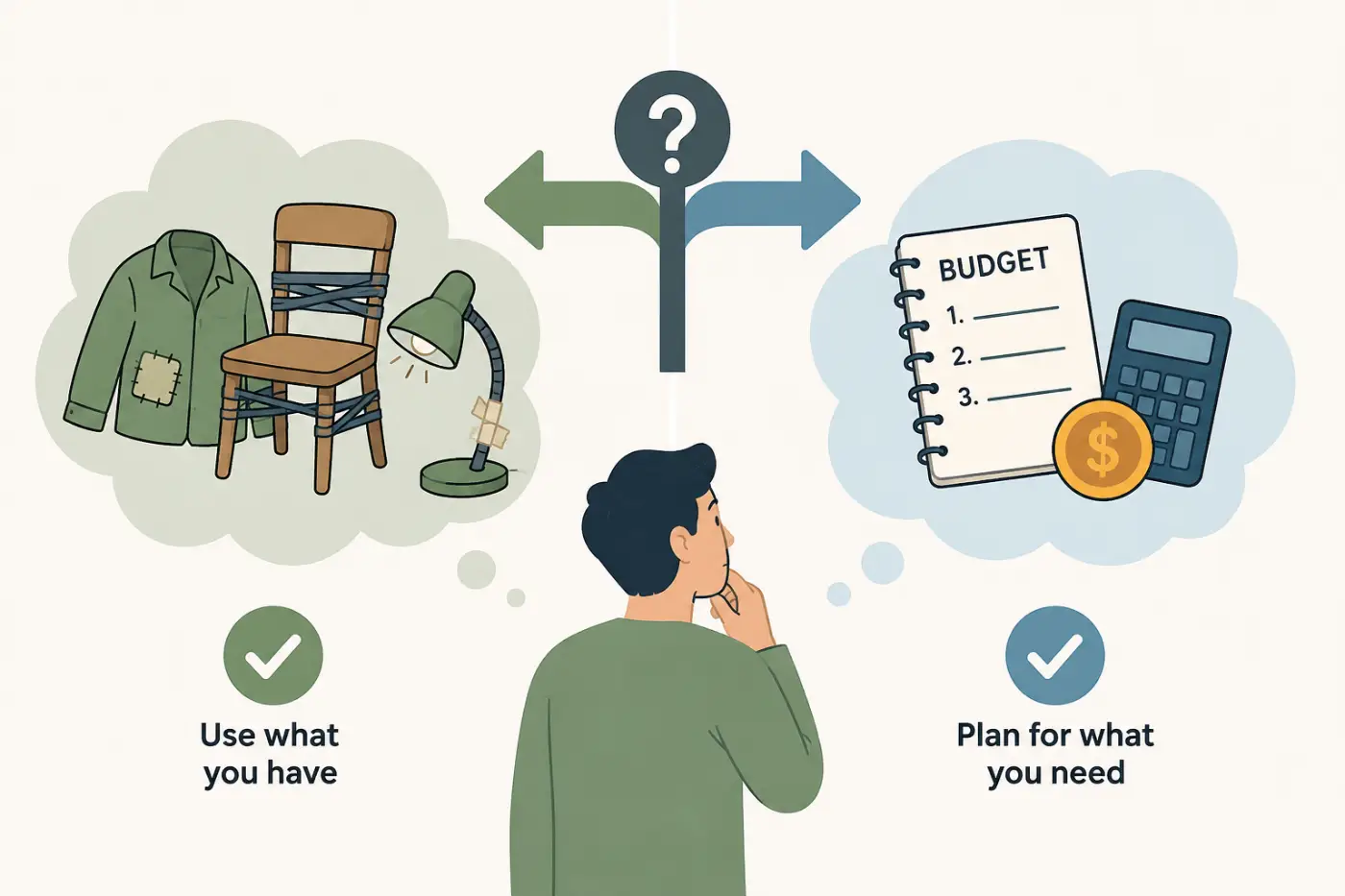
If you’ve searched for make do or make due you’re probably wondering which phrase is correct. They sound almost identical when spoken so it’s easy to mix them up. Still only one of them is correct in almost every situation.
The correct phrase is make do. It means to manage with what you already have even if it is not perfect or enough. Make duel is usually a spelling mistake because people confuse it with the word duel.
This guide explains the difference in simple language. You’ll learn what make do means why people write make due by mistake how to remember the correct phrase and how to use it naturally in everyday English.
Quick Definition
Make do is an idiom that means to manage with limited resources or use something as a substitute because nothing better is available.
Make duet is almost always incorrect. In standard English you should use make do when talking about getting by with what you have.
Direct Answer
Make do is the correct phrase. Make duet is usually a misspelling and should not be used when you mean to manage with limited resources.
Comparison Table
| Phrase | Meaning | Example Sentence | When to Use It |
|---|---|---|---|
| Make do | Manage with what is available. | We had to make do with one flashlight. | Use this in everyday and formal English. |
| Make due | Usually incorrect for this meaning. | Incorrect in this context. | Avoid using it. |

What Does Make Do Mean
The phrase make do means to use what you already have instead of waiting for something better. It often suggests that the situation is not ideal but you still find a way to solve the problem.
People use this expression when money time tools or other resources are limited. Instead of giving up they adapt and keep moving forward.
For example if your coffee maker breaks you might make do with instant coffee for a few days. It is not your first choice but it gets the job done.
Imagine you are painting a room and realize you forgot to buy a paint tray. Instead of driving back to the store you use a clean baking dish. You are making do with something you already have.
The phrase often carries a sense of creativity and resilience. It shows that someone can adjust instead of complaining when things do not go as planned.
Why People Confuse Make Do And Make Due
The confusion starts with pronunciation. When people say the phrases out loud do and duet sound exactly the same in American English. That makes it easy to choose the wrong spelling when writing.
Another reason is that duet is a common English word. People see it in phrases like due date due process payment duet and duet tomorrow. Since the word appears so often it can look correct even when it does not belong.
Autocorrect does not always help either. Both do and duel are real words so many writing tools do not flag the mistake. The sentence may be grammatically correct even though the phrase itself is wrong.
The mistake also spreads because people copy what they see online. If a misspelled phrase appears in a social media post blog comment or discussion forum other writers may assume it is acceptable.
Once you know that make do is a fixed English idiom the confusion becomes much easier to avoid.
Where Make Do Comes From
The expression make do has been part of English for hundreds of years. The word make means to create or manage while do refers to carrying out an action. Together they express the idea of managing with what is available.
Over time the phrase became an idiom. That means its meaning cannot be understood by looking at each word on its own. Native speakers recognize it as a complete expression with a specific meaning.
The phrase became especially popular during difficult times when people had to stretch limited resources. Families used it during economic hardships wars and other periods when buying new things was not possible.
Even today people use make do in everyday conversations because everyone faces moments when they have to adapt. It is a simple phrase but it captures a practical way of thinking that never goes out of style.
How To Use Make Do In Everyday English
The phrase make do fits naturally into many everyday situations. You can use it at home at work at school or while traveling. It simply means finding a way to manage without the ideal option.
Here are some common examples.
In Home
Sometimes things break or run out before you can replace them. That is when people often use this expression.
- We had to make do with paper plates until the new dishes arrived.
- Our washing machine stopped working so we made do with hand washing for a few days.
- The couch was old but it helped us make do until we bought a new one.
At Work
Employees often have to finish a task with limited time or equipment.
- We made do with the software we already had.
- The office printer stopped working so everyone made do with digital copies.
- Our team had fewer people than expected but we still made do and finished the project.
At School
Students also use this phrase when they do not have everything they need.
- I forgot my ruler so I made do with a notebook edge.
- The classroom had only a few art supplies but everyone made do.
- We made do with online resources because the library was closed.
While Traveling
Travel rarely goes exactly as planned. This expression is useful when plans change.
- We made do with a small hotel room for one night.
- The restaurant was closed so we made do with snacks from a nearby store.
- Our luggage arrived late but we made do with the clothes in our backpacks.
In every example the idea stays the same. You continue moving forward by using what you already have.
Common Mistakes People Make
Many writers know the phrase when they hear it but spell it incorrectly. Others use it in situations where it does not fit. Understanding these mistakes helps you avoid them.
Writing Make Due Instead Of Make Do
This is by far the most common mistake.
❌ We had to make duet with old furniture.
✔ We had to make do with old furniture.
The first sentence looks believable because duet is a real English word. Still it changes the phrase into something that native speakers do not use.
Using The Phrase For Things You Receive
The expression does not mean getting something. It means managing with something you already have.
❌ We made do a package yesterday.
✔ We received a package yesterday.
The first sentence uses the wrong verb. Choose receive when something comes to you.
Using It When Nothing Is Limited
People usually say make do because they do not have the ideal choice. If everything is available there is no reason to use the expression.
❌ We made do with a brand new luxury car.
✔ We bought a brand new luxury car.
The phrase loses its meaning when nothing is missing or limited.
Similar Expressions With The Same Meaning
English has several expressions that carry a similar idea. They are not exact replacements but they work in many of the same situations.
Get By
This phrase means to survive or manage with what you have.
- We got by on a small budget during college.
- They got by without internet service for two days.
Manage With
This is one of the closest alternatives. It works in both casual and formal writing.
- We managed with one computer until the new one arrived.
- She managed with very little sleep.
Cope With
This expression focuses more on handling a difficult situation.
- He coped with the long wait by reading a book.
- They coped with the power outage surprisingly well.
Improvise
Improvising means creating a solution using available resources.
- We improvised a table from two boxes and a wooden board.
- She improvised a bandage with a clean towel.
These expressions share the same general idea of adapting to a situation. Still make do remains the most natural choice when you mean using something less than ideal.
When You Should Not Use Make Do
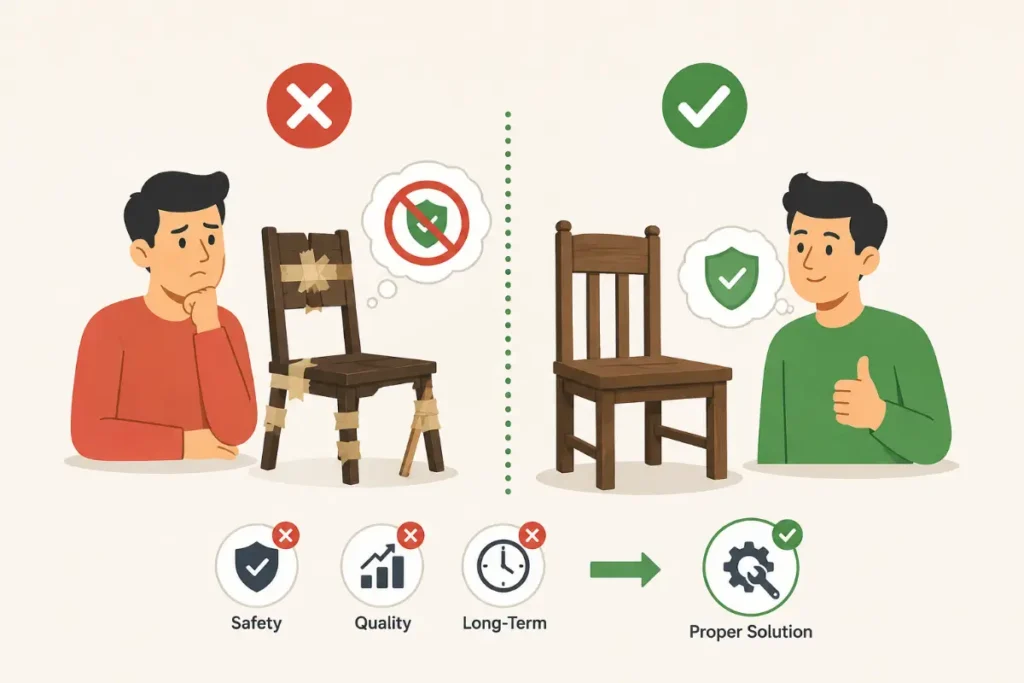
Like many idioms this expression works best in specific situations. Using it everywhere can make your writing sound awkward.
Do not use it when talking about paying bills meeting deadlines or completing scheduled tasks. In those cases the word due has its own meaning related to time or obligation.
For example.
- My rent is duet next Monday.
- The homework is duet tomorrow.
- Payment is duet within thirty days.
Here duet means expected required or owed. It has nothing to do with the idiom make do.
Keeping these meanings separate makes your writing much clearer and helps you avoid one of the most common spelling mistakes in English.
Memory Tricks To Remember Make Do
A simple memory trick can save you from making this mistake again.
Think about what the word do means. It is an action word. When you make do you are doing something with what you already have. You are taking action instead of waiting for perfect conditions.
The word duel has a completely different meaning. It usually relates to time money or something that is expected.
For example.
- My electricity bill is duel on Friday.
- Your library book is duel next week.
- The final payment is duel at the end of the month.
If the sentence is about using limited resources the correct phrase is always make do.
Another helpful trick is to think of the expression do your best. Both phrases use do because they involve action. That simple connection makes the correct spelling easier to remember.
Real Life Examples Of Make Do
The best way to learn an idiom is to see it in everyday situations. These examples sound natural because they reflect how native English speakers actually use the phrase.
Family Life
- We made do with one family car for several months.
- The kids made do with homemade costumes for the school play.
- We forgot the picnic blanket so we made do with a couple of beach towels.
Shopping
- The store had sold out of my favorite brand so I made do with another one.
- We planned to buy new chairs but decided to make do with the old ones for another year.
- They made do with secondhand furniture while saving for a new house.
Weather
- We made do with umbrellas until the rain finally stopped.
- The campers made do with extra blankets during the cold night.
- Everyone made do without electricity until the power came back.
Cooking
- I ran out of butter so I made do with olive oil.
- We made do with frozen vegetables because the fresh ones were gone.
- She made do with simple ingredients and still cooked a delicious meal.
These examples all share one idea. The situation is not perfect but people find a practical solution instead of giving up.
Common Phrases That Include Make Do
Although make do is already a complete expression it often appears with other words.
Make Do With
This is the most common form.
- We had to make do with a small budget.
- She made do with borrowed books.
- They made do with the tools they already owned.
The words with and make do almost always appear together because they introduce the thing being used as a substitute.
Make Do For Now
People often add for now to show that the solution is temporary.
- This old laptop will have to make do for now.
- We will make do until the repairs are finished.
This tells the reader that a better solution will come later.
Expressions People Mix Up With Make Do
English has several phrases that sound similar but mean something completely different.
Due Date
A due date is the day something must be finished or paid.
- My essay is duet next Monday.
- The payment is paid at the end of the month.
This has no connection to the idiom make do.
Due To
The phrase duel to means because of in many sentences.
- The flight was delayed duel to heavy rain.
- The game was canceled duel to bad weather.
Even though duel appears here it has a completely different meaning.
Do Without
People sometimes confuse make do with do without. The meanings are close but not identical.
Make do means using something that is less than ideal.
- We made do with an old blanket.
Do without means having nothing at all.
- We had to do without electricity for two days.
The difference is small but important. One means using a substitute. The other means going without something completely.
Why This Small Difference Matters
At first glance the difference between do and duet looks tiny. It is only one extra letter. Still that one letter changes the phrase completely. Using the correct expression makes your writing sound more polished and natural. Readers notice familiar idioms right away. A small spelling mistake can distract them even if they still understand your meaning. This matters even more in school papers business emails job applications and published content. Correct language helps readers focus on your message instead of your spelling. The good news is that this mistake is easy to fix. Once you connect make do with taking action and solving problems the correct phrase quickly becomes second nature.
FAQs
Is make do or make duel correct?
If you are choosing between make do or make duel the correct phrase is make do. It means to manage with what you already have. Make duel is almost always a spelling mistake in this context.
What does make do mean?
Make do means to use available resources when the ideal option is not possible. It often describes finding a practical solution with limited time money or supplies.
Is make duet ever correct?
Not as an idiom meaning to get by with limited resources. The word duel is correct in other expressions such as payment fit fit and paid to. It simply does not belong in the phrase make do.
Why do people write make duet?
The mistake happens because do and duet sound the same in American English. Since duet is a common word many people assume it is the correct spelling when writing the phrase.
Can I use make do in formal writing?
Yes. Make do is widely accepted in both formal and informal English. You will find it in books newspapers magazines and professional writing as well as everyday conversations.
What is another way to say make do?
You can often use phrases like manage with get by cope with or improvise. The best choice depends on the situation but they all express the idea of adapting to limited resources.
Is make do an idiom?
Yes. Make do is an English idiom. Its meaning cannot be understood by looking at the words separately because together they express the idea of managing with less than you would like.
Can make do be used in everyday conversation?
Absolutely. Native English speakers use it regularly when talking about everyday situations. It is a natural way to describe adapting when something better is not available.
Conclusion
If you have ever paused over make do or make due the answer is simple. Make do is the correct phrase. It means managing with what you have instead of waiting for something better. Make due is almost always the wrong choice in this context.
A good way to remember the phrase is to connect do with action. When you make do you take action with the resources already available. The word duet belongs in completely different expressions such as payment fit rent due or due date.
This small spelling difference can make a big impact on your writing. Using the correct idiom helps your sentences sound more natural and shows that you understand how native English speakers use the language.
The next time you see make do or make duel you will know exactly which one to choose. Stick with make do and you will get it right every time.

Dr. Elena Vance holds a Ph.D. in Linguistics from Columbia University and has spent over 15 years analyzing the evolution of the English language. A former university professor turned full-time writer and editor, Elena specializes in breaking down high-level grammatical concepts, punctuation nuances, and style guides (APA, Chicago, MLA) into clear, actionable advice. When she isn’t hunting down dangling modifiers, she can be found collecting vintage dictionaries and reading classic literature.